
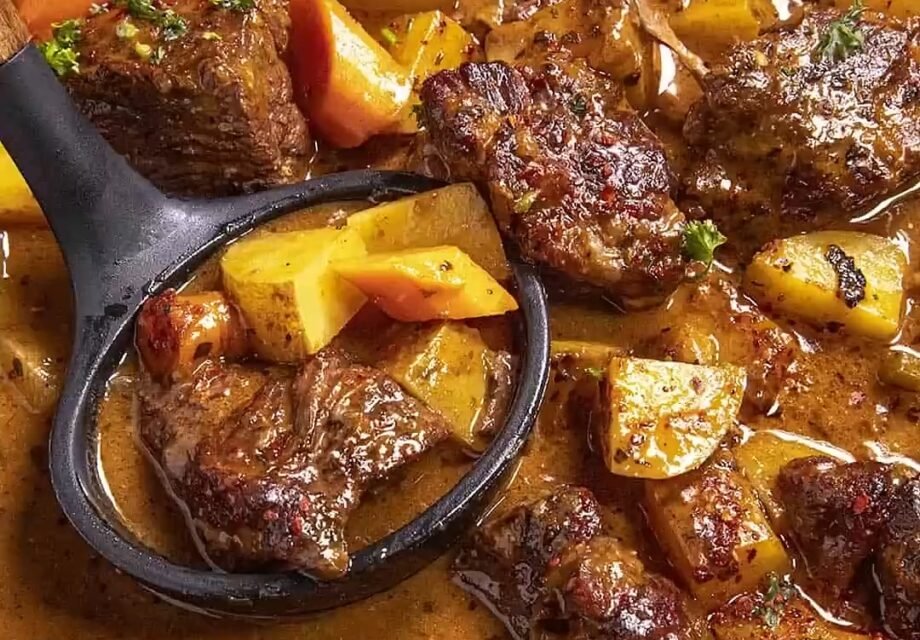
I’ve made this more times than I can count in my kitchen, usually on those evenings when I need something comforting but still doable between homework chaos and “mom, I’m starving.” Trust me, this one is worth it.
This is the kind of meal that fills your kitchen with that slow-cooked, savory smell that makes people wander in asking, “When is dinner ready?” It’s simple ingredients doing exactly what they’re supposed to do when you give them enough time.
What makes this Classic Beef Stew Recipe stand out is the balance between simplicity and depth. You’re not using fancy techniques, but each step builds on the last, creating layers of flavor that taste like they took all day—even when most of that time is just hands-off simmering.
The Night I Finally Got This Stew Just Right
The first time I made this, I rushed it. Big mistake. I skipped proper browning because I had a toddler clinging to my leg and another asking for snacks every five minutes. The result? Pale beef, thin broth, and honestly… nobody asked for seconds.
That was my wake-up call. Now I slow down where it matters—especially the sear. Once I started taking those extra few minutes to build flavor, everything changed. The smell alone fills my kitchen in the best way, like something’s actually cooking, not just heating up.
Now this is one of my go-to dinners when I want something that feels like I tried way harder than I actually did. Let’s get into it.
Why You’ll Love This Classic Beef Stew Recipe
- That deep, slow-cooked flavor you usually only get from restaurant stews—but you control everything here
- Beef turns unbelievably tender, like you barely need a fork
- One pot means less cleanup (and I’m always thinking about that)
- Easy to adjust—skip the wine, swap veggies, make it yours without stress
- This always disappears fast in my house, even with picky eaters at the table
What You’ll Need
Main Protein / Base
- Beef chuck (3 lb) – This is the cut I always use because it has enough fat to stay juicy and turns soft after slow cooking. Lean cuts won’t give you that same melt-in-your-mouth texture.
- Flour (¼ cup) – Light coating helps create that golden crust when searing and thickens the stew naturally later.
Aromatics
- White onion – Adds a soft sweetness that builds the base of the stew.
- Green bell pepper – Slight bitterness balances the richness. I didn’t expect to love this here, but it works.
- Celery – Quiet ingredient, but without it something feels missing.
- Garlic – Goes in later so it stays fragrant instead of turning sharp.
Spices
- Paprika – Gives warmth and color, nothing overpowering.
- Salt & black pepper – Build flavor in layers, not all at once.
- Italian seasoning – Keeps everything rounded and cozy.
- Bay leaves – Slow, subtle depth while it simmers.
Liquid or Sauce
- Red wine – This is where the depth really builds. It pulls up all those browned bits from the pot.
- Beef stock – The backbone of the stew. I always use a good one because it carries everything.
- Worcestershire sauce – Just a little, but it makes the broth taste fuller.
Vegetables or Add-ins
- Yellow potatoes – They hold their shape and get creamy inside.
- Carrots – Add sweetness and that classic stew look.
Toppings
- Fresh parsley (optional) – Brightens everything right at the end.
Ingredient Tips That Make a Difference
Cut your beef into evenly sized chunks so everything cooks at the same pace. Too small and they’ll dry out, too large and they’ll take forever to tenderize.
If your potatoes are very starchy, rinse them briefly before adding to the pot. This keeps the broth from getting overly thick too early.
Choose a wine you’d actually drink. You don’t need anything fancy, but avoid “cooking wine” since it can taste overly salty and flat.
Let the beef sit at room temperature for about 15–20 minutes before searing. This helps it brown more evenly instead of releasing excess moisture into the pan.
Use a heavy-bottomed pot like a Dutch oven if possible. It distributes heat more evenly and prevents scorching during long simmering.
Chop vegetables slightly larger than bite-sized. They shrink as they cook, and this keeps them from disappearing into the stew.
How to Make Classic Beef Stew Recipe
Prep & Season
- Step 1: Coat the beef Toss your beef chunks with flour, paprika, salt, and pepper until lightly covered. You don’t want clumps—just a thin layer.
- Step 2: Heat the pot Add 1 tablespoon olive oil to a Dutch oven over medium-high heat until it shimmers.
Build That Flavor Base
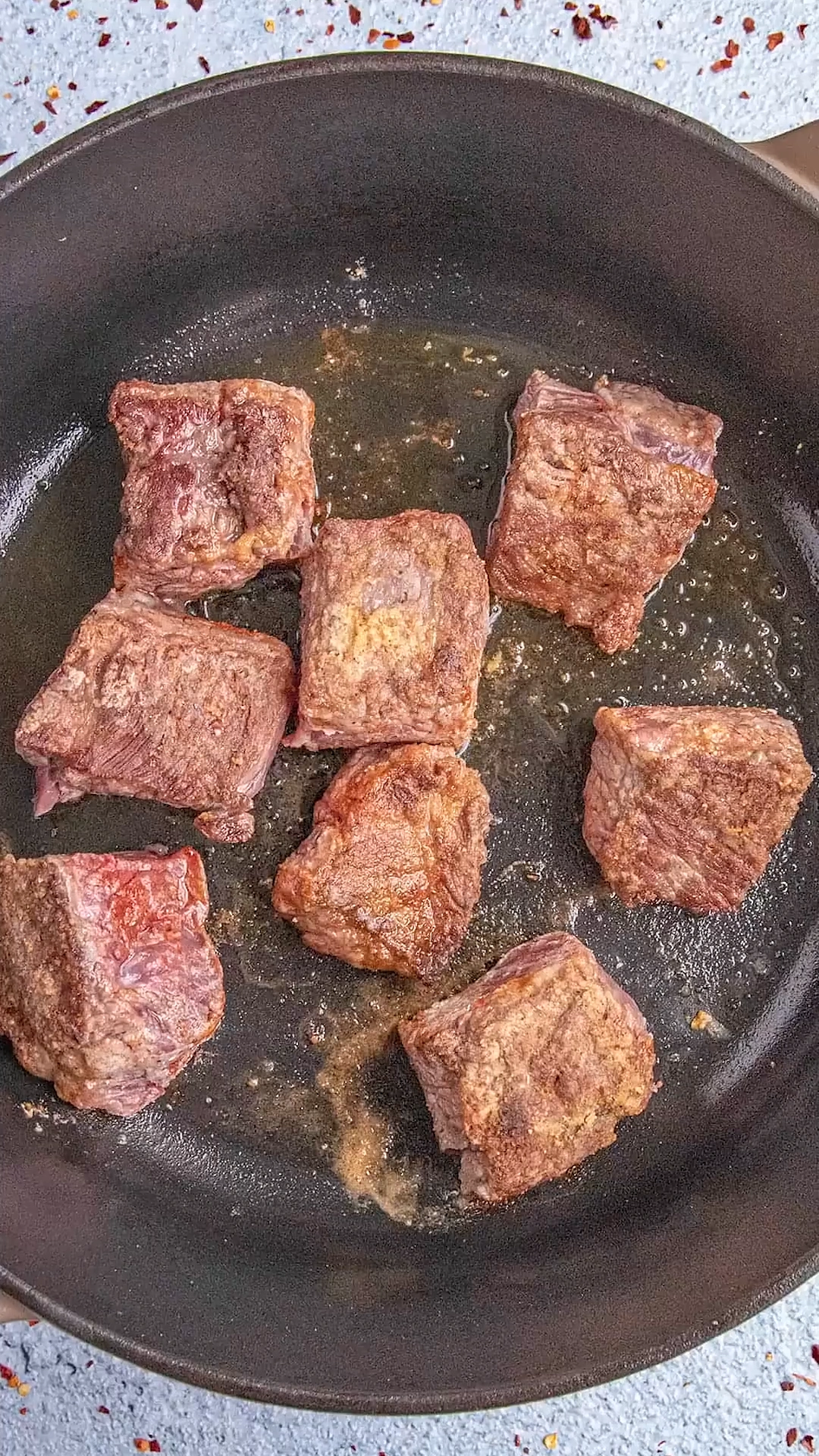
- Step 3: Sear in batches Add beef in batches and let it sit undisturbed for a few minutes before turning. You want deep brown edges. Don’t overcrowd—seriously, don’t—or it’ll steam instead.
- Step 4: Set aside Transfer browned beef to a plate. Add a bit more oil between batches if needed.
Cook the Aromatics
- Step 5: Soften vegetables Add onion, bell pepper, and celery. Cook about 5 minutes until soft and slightly glossy.
- Step 6: Add garlic and tomato paste Stir for 1 minute. It should smell rich and slightly sweet—don’t let it burn.
Deglaze & Simmer
- Step 7: Pour in liquids Add wine, beef stock, and Worcestershire sauce. Scrape the bottom until all those browned bits release into the broth.
- Step 8: Bring it together Return beef with juices, add Italian seasoning and bay leaves. Bring to a boil, then reduce heat, cover, and simmer for 2 hours.
Finish the Stew
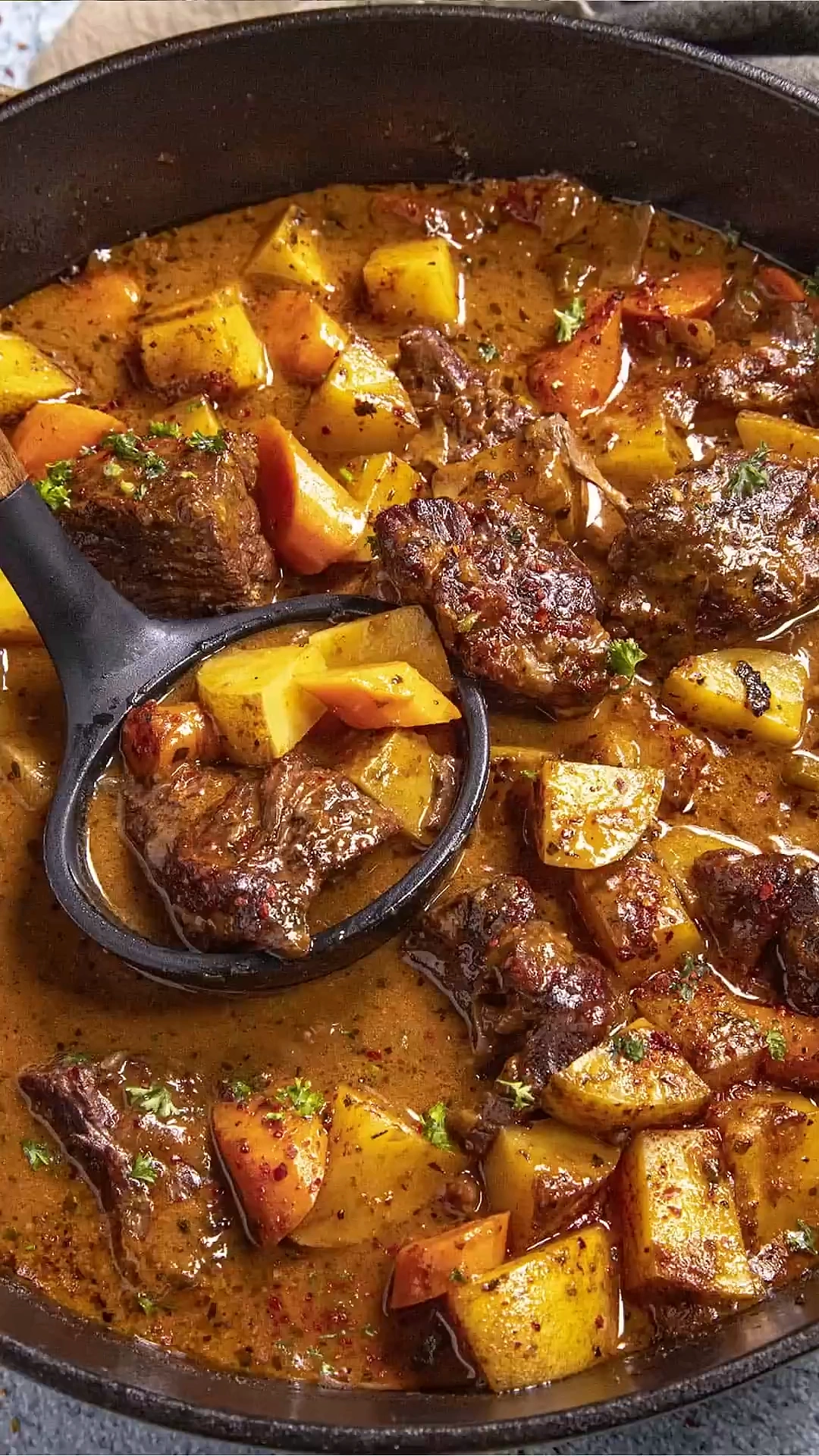
- Step 9: Add vegetables Stir in potatoes and carrots. Simmer uncovered for 1 more hour until everything is tender and the broth thickens.
- Step 10: Taste and adjust Check salt, add a pinch if needed. The broth should coat a spoon and feel slightly silky.
Extra Method Tips for Best Results
Keep your heat at a gentle simmer, not a rapid boil. Boiling can make the beef tough and break apart your vegetables too quickly.
If the liquid reduces too fast, add a splash of warm stock instead of cold water to maintain flavor and temperature.
Skim excess fat from the surface if needed, especially toward the end. It helps keep the broth rich but not greasy.
If you want even deeper flavor, let the stew rest for 20–30 minutes off heat before serving. This allows the broth to settle and thicken slightly.
Stir occasionally during the final hour to prevent sticking at the bottom, especially as the stew thickens.
Slow Cooker and Instant Pot Options
For a slow cooker, complete the searing and deglazing steps on the stove first, then transfer everything and cook on low for 7–8 hours or high for 4–5 hours.
For an Instant Pot, use sauté mode for browning, then pressure cook on high for 35 minutes with a natural release. Add potatoes and carrots afterward and simmer on sauté until tender.
This is not the prettiest dish right when it finishes simmering—but give it a stir and it turns into that rich, thick stew you want.
If you enjoy slow-cooked comfort meals like this, I’ve also tried a few cozy dishes like this hearty slow cooker cowboy casserole that follow the same idea—simple ingredients, big payoff.
Common Mistakes to Avoid
Skipping the sear is the biggest one. That browned crust is where a huge amount of flavor comes from.
Adding all vegetables too early can lead to mushy carrots and falling-apart potatoes. Staggering them keeps texture balanced.
Under-seasoning at the end is another issue. Always taste before serving and adjust salt carefully—it brings everything together.
Using too much liquid at the start can dilute flavor. It’s better to keep it slightly concentrated and add more later if needed.
Rushing the simmer is another common problem. This dish relies on time to break down connective tissue, so cutting it short affects both texture and flavor.
How to Customize This Stew
You can easily make this your own depending on what you have on hand. Mushrooms add an earthy depth, while peas stirred in at the end bring a pop of color and sweetness.
If you like a slightly thicker stew, mash a few potato chunks directly into the broth or stir in a small cornstarch slurry near the end.
For a deeper flavor twist, a teaspoon of balsamic vinegar or a splash of soy sauce can enhance the richness without overpowering the dish.
You can also swap in sweet potatoes for a slightly sweeter, heartier variation, or add parsnips for extra depth and a subtle earthy note.
A pinch of smoked paprika or a dash of hot sauce can add a gentle kick if you want something a little bolder without changing the overall feel.
How to Serve It
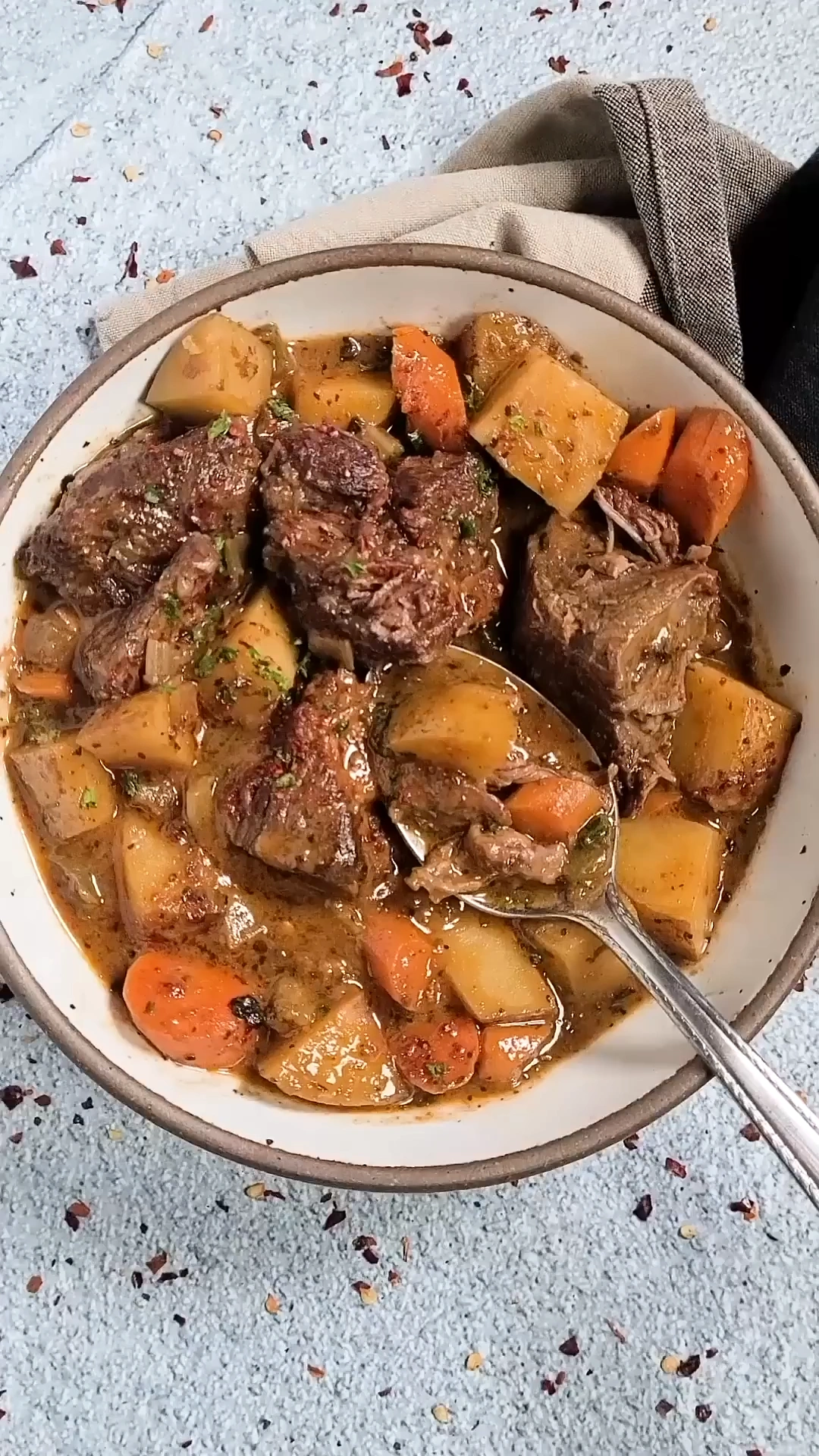
I always serve this in deep bowls with something to soak up that broth. Crusty bread is my go-to, but mashed potatoes or buttered noodles work just as well.
A little fresh parsley on top makes it feel finished, even if dinner was a bit chaotic getting there. The stew thickens as it sits, and honestly, the next day? Even better.
If you want to round it out into a full meal, serve it with a simple green salad or roasted vegetables to balance the richness.
If I’m making this for a cozy weekend dinner, I’ll pair it with something bold and simple, or even take inspiration from dishes like this classic steak oreganato preparation when I want that same hearty feel.
Storage and Reheating
Store leftovers in an airtight container in the fridge for up to 4 days. The flavors deepen overnight, so don’t be surprised if it tastes even better the next day.
You can freeze it for up to 3 months. The potatoes soften a bit after thawing, but it’s still delicious.
Reheat gently on the stove over medium-low heat. Add a splash of beef stock or water to loosen it up since it thickens in the fridge.
For best texture after freezing, thaw overnight in the fridge before reheating so everything warms evenly.
If the stew thickens too much after storage, don’t just add water—use stock to keep the flavor balanced.
Slow-cooked meals like this remind me a lot of recipes like this Mississippi pork roast in the slow cooker—they just get better as they sit.
FAQ
Can I skip the wine?
Yes, just replace it with more beef stock. You’ll lose a bit of depth, but it still turns out rich and comforting.
Why is my beef still tough?
It needs more time. Keep simmering on low heat until the beef easily pulls apart with a fork.
Can I make this ahead?
Yes, and you should. Letting it sit overnight makes the broth thicker and the flavor deeper.
How do I thicken it more?
Simmer uncovered longer or mash a few potato pieces directly into the broth.
Can I use a different cut of beef?
Yes, but stick to tough, well-marbled cuts like chuck, brisket, or round for best results.
Related Recipes
- Garlic Butter Steak Bites
- Cheesy Ground Beef Casserole
- Crispy Roasted Potatoes
- Smash Burger BBQ Style
Classic Beef Stew Recipe
- Prep Time: 10
- Cook Time: 3
- Total Time: 3
- Yield: 6 servings 1x
- Category: Main Course
- Method: Stovetop, Slow Cooker
- Cuisine: American
Description
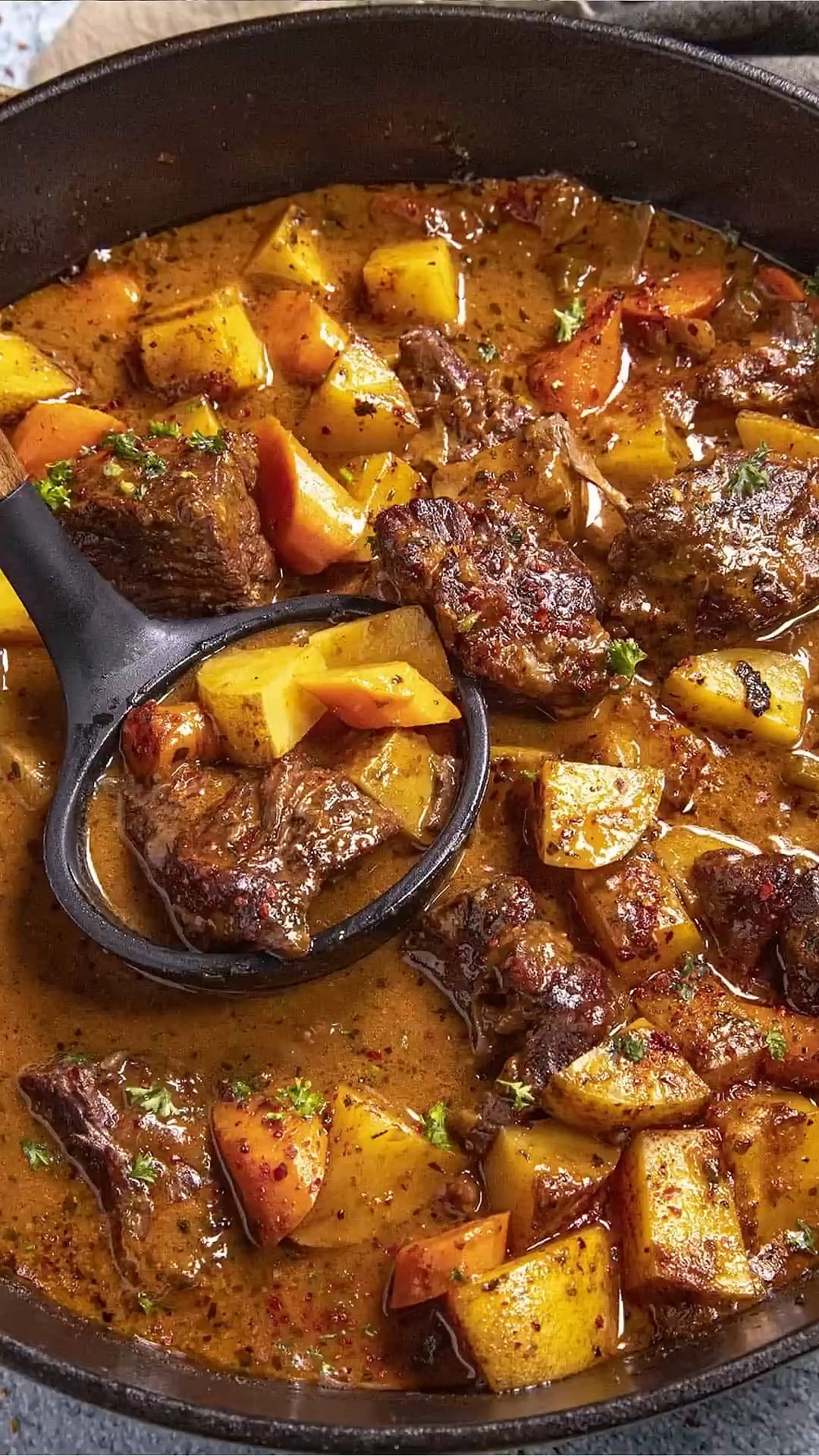
This classic beef stew is rich, hearty, and packed with tender chunks of beef, vegetables, and a deeply flavorful broth. Slow simmering brings out layers of savory goodness while keeping the process simple and approachable. It’s the kind of comforting meal that tastes even better the next day and fills your kitchen with irresistible aromas. If you enjoy cozy meals like this, you might also like Baked Chicken Drumsticks.
Ingredients
- 3 pounds beef chuck (cut into 1.5-inch chunks, well-marbled)
- 1/4 cup all-purpose flour (for coating)
- 1 tablespoon paprika (smoked or sweet)
- 1 teaspoon salt (adjust to taste)
- 1 teaspoon black pepper (freshly ground)
- 4 tablespoons olive oil (divided)
- 1 large white onion (chopped)
- 1 green bell pepper (chopped, or substitute jalapeño for heat)
- 1 stalk celery (chopped)
- 5 garlic cloves (minced)
- 3 tablespoons tomato paste (for depth)
- 2 cups red wine (Cabernet Sauvignon or substitute beef stock)
- 2 cups beef stock (low sodium preferred)
- 1 tablespoon Worcestershire sauce
- 1 tablespoon Italian seasoning (dried herb blend)
- 2 bay leaves
- 1 pound yellow potatoes (peeled and cut into bite-sized pieces)
- 3 large carrots (peeled and cut into chunks)
Instructions
- Step 1 – Prep (10 minutes at room temp): In a bowl, mix flour, paprika, salt, and pepper. Toss beef chunks until lightly coated; the surface should look dry and evenly dusted.
- Step 2 – Heat Pot (5 minutes at 350°F stovetop equivalent medium-high): Heat 1 tablespoon olive oil in a Dutch oven until shimmering but not smoking.
- Step 3 – Sear Beef (15 minutes total at 350°F): Brown beef in 3 batches, about 5 minutes per batch, turning until a deep brown crust forms on all sides; transfer to a plate.
- Step 4 – Sauté Vegetables (5 minutes at 300°F medium): Add 1 tablespoon oil, then onion, bell pepper, and celery. Cook until softened and slightly translucent.
- Step 5 – Add Aromatics (1 minute at 300°F): Stir in garlic and tomato paste; cook until fragrant and paste darkens slightly.
- Step 6 – Deglaze (3 minutes at 300°F): Pour in red wine, stock, and Worcestershire sauce. Scrape browned bits; liquid should darken and smell rich.
- Step 7 – Combine (2 minutes): Return beef and juices to the pot. Add Italian seasoning and bay leaves; stir well.
- Step 8 – Simmer Covered (2 hours at ~250°F low simmer): Bring to a gentle boil, then reduce heat, cover, and simmer; beef should begin to soften but still hold shape.
- Step 9 – Add Vegetables (1 hour at ~250°F uncovered): Stir in potatoes and carrots; simmer uncovered until vegetables are tender and beef is fork-tender.
- Step 10 – Rest and Serve (10 minutes off heat): Remove bay leaves and let stew rest; broth should thicken slightly and coat the back of a spoon.
Notes
- Substitution: Use beef stock instead of wine for an alcohol-free version with slightly lighter flavor.
- Make-ahead: Prepare the stew up to 2 days in advance; flavors deepen as it rests.
- Storage: Refrigerate in an airtight container for up to 4 days or freeze for up to 3 months.
- Reheating: Warm on stovetop over medium-low heat for 15–20 minutes, adding a splash of stock if too thick.
- Serving suggestion: Serve with crusty bread or mashed potatoes to soak up the rich broth.
Nutrition
- Array