
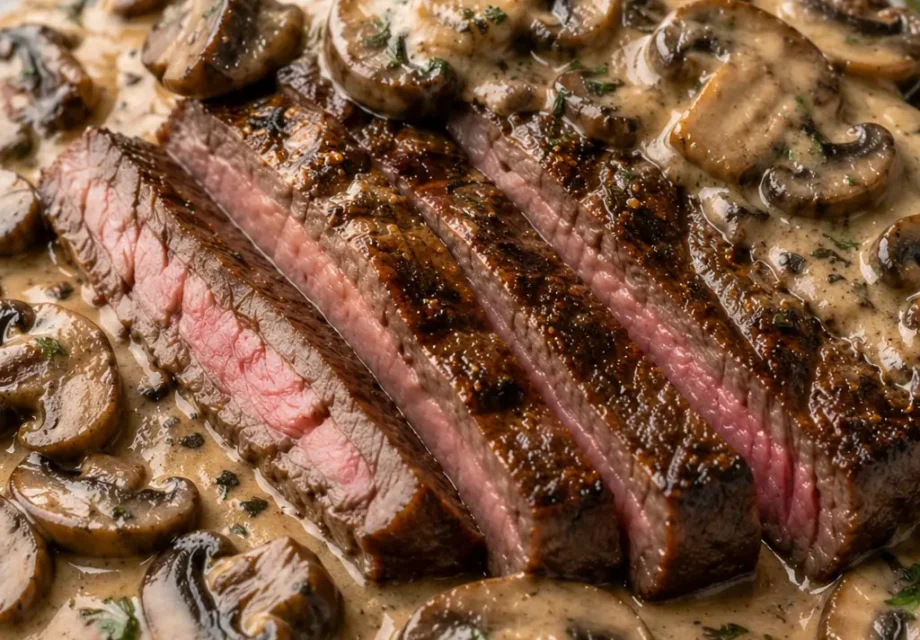
I’ve made this more times than I can count, and trust me, this one is worth it. The smell alone—butter, garlic, rosemary—gets everyone wandering into my kitchen asking when dinner’s ready.
If you’ve ever ordered steak with mushroom sauce at a restaurant and wondered why it tastes better than what you make at home, the difference usually comes down to heat control, proper seasoning, and using every bit of flavor in the pan. This recipe is built to give you that same result without complicated steps.
Steak & Creamy Mushroom Sauce: The Night I Finally Nailed This Steak (After Messing It Up Twice)
The first time I tried this, I rushed it. Cold steak straight into the pan, overcrowded mushrooms, sauce that turned weirdly thin… yeah, not my best moment. My husband still ate it, but my kids? Let’s just say they suddenly “weren’t that hungry.”
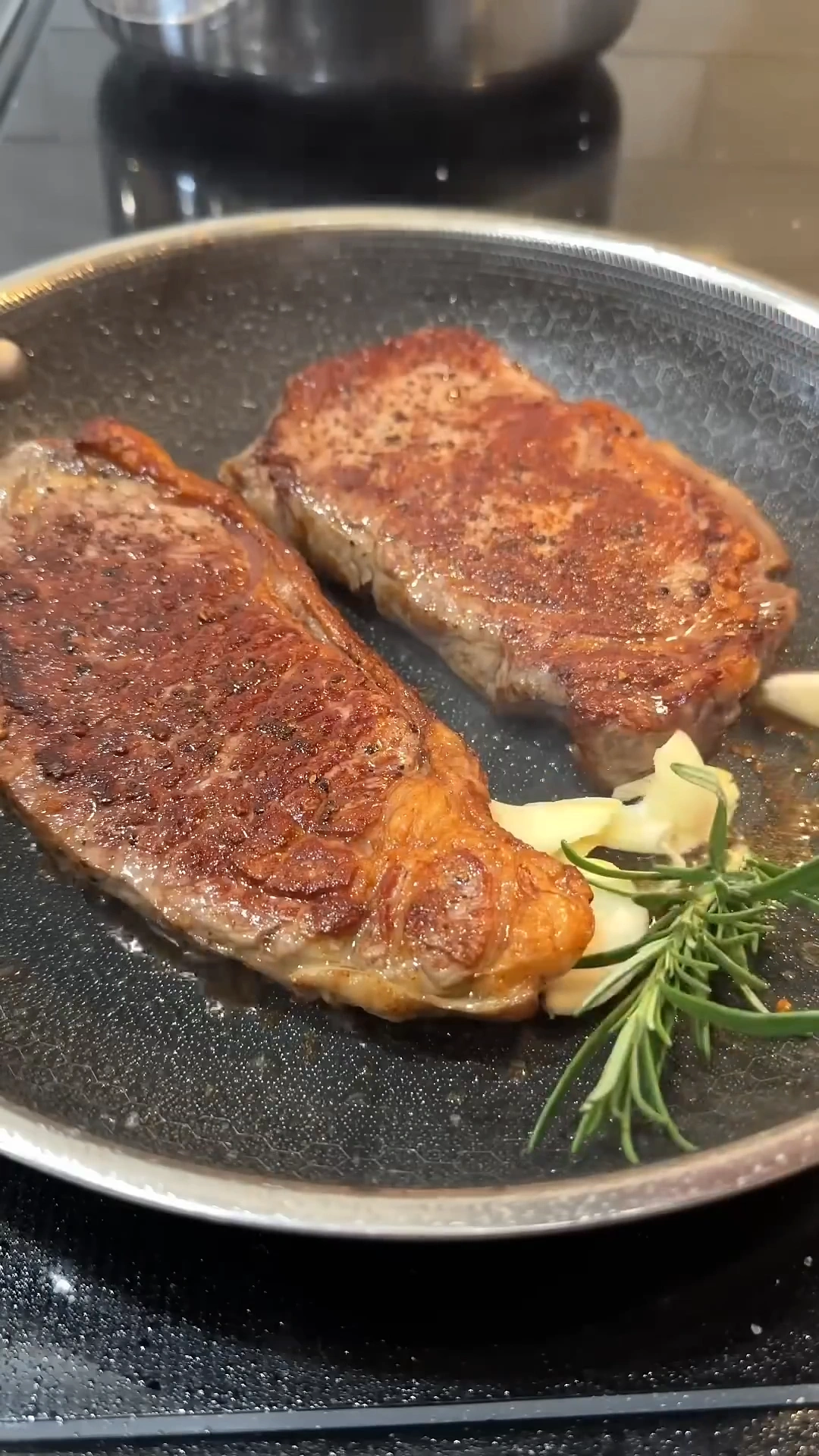
Second try, I slowed down. I let the steak sit out, gave it real heat, and didn’t touch it too early. That crust? Deep golden, slightly crisp edges, juicy center. Then I built the sauce right in that same pan, scraping up all those browned bits. That’s where the magic happens.
Now this is one of my go-to dinners when I want something that feels special but still totally doable on a weeknight. Let me show you exactly how I do it so you don’t repeat my first attempt.
Why You’ll Love This Steak & Creamy Mushroom Sauce
- The steak gets that beautiful crust while staying tender and juicy inside
- The sauce is creamy without feeling heavy, with real depth from garlic, herbs, and pan drippings
- Everything cooks in one pan, which means fewer dishes (and I’ll take that every time)
- Flexible enough to serve over pasta, potatoes, or just with a side of greens
- This always disappears fast in my house—no leftovers, ever
What You’ll Need
Steak & Creamy Mushroom Sauce Main Protein / Base
- Ribeye steak — This is my favorite because the marbling keeps it juicy and flavorful during high heat. You’ll see that fat melt and baste the meat as it cooks.
- Salt & pepper — Simple, but don’t hold back. Proper seasoning at the start makes a huge difference in the final bite.
Aromatics
- Garlic (6 cloves for sauce, 2 for steak) — This builds that deep, savory base. I go heavy here because it softens and sweetens as it cooks.
- Rosemary sprigs — Infuses the butter while basting the steak. You’ll smell it instantly.
- Fresh sage — Adds a slightly earthy, cozy note that balances the cream.
- Fresh oregano — Brightens everything so the sauce doesn’t feel too heavy.
Spices
- Salt & pepper — Season at every stage, not just at the start. That layering is what makes the dish taste complete.
Liquid or Sauce
- Chicken broth — Pulls up all those browned bits from the pan and adds depth without overpowering the mushrooms.
- Heavy cream — Gives that smooth, velvety texture. This is what makes the sauce cling instead of run.
- Flour — Just a little to thicken the sauce so it coats the steak properly.
- Pecorino Romano — This is the one I always reach for because it melts smoothly and adds that salty, nutty kick.
Vegetables or Add-ins
- Mushrooms (200–300 g) — The heart of the sauce. I use cremini because they hold their texture and get nicely golden.
- Broccolini — Adds a fresh, slightly bitter contrast that cuts through the richness.
Toppings
- Butter — Used for both basting the steak and building the sauce. It adds richness and helps carry all those flavors.
- Olive oil — Keeps the butter from burning when you first heat the pan.
How to Make Steak & Creamy Mushroom Sauce
Prep & Season
- Step 1: Season the steak — Pat it completely dry, then season generously with salt and pepper. Let it sit out for 15–20 minutes. Cold steak in a hot pan is how you end up with uneven cooking.
- Step 2: Get everything ready — Slice mushrooms, mince garlic, chop herbs. Once you start cooking, things move fast.
Sear the Steak
- Step 3: Heat your pan — Add olive oil to a skillet over medium-high heat until it shimmers. You want it hot, not just warm.
- Step 4: Sear the steak — Lay it down and don’t touch it for 3–4 minutes. You’re looking for a deep golden crust. Flip and repeat.
- Step 5: Baste with butter — Add butter, garlic, and rosemary. Tilt the pan and spoon that melted butter over the steak for about a minute until it smells incredible.
- Step 6: Rest the steak — Move it to a plate and let it rest at least 5–7 minutes. Don’t cut it early or you’ll lose all those juices.
Build the Mushroom Base
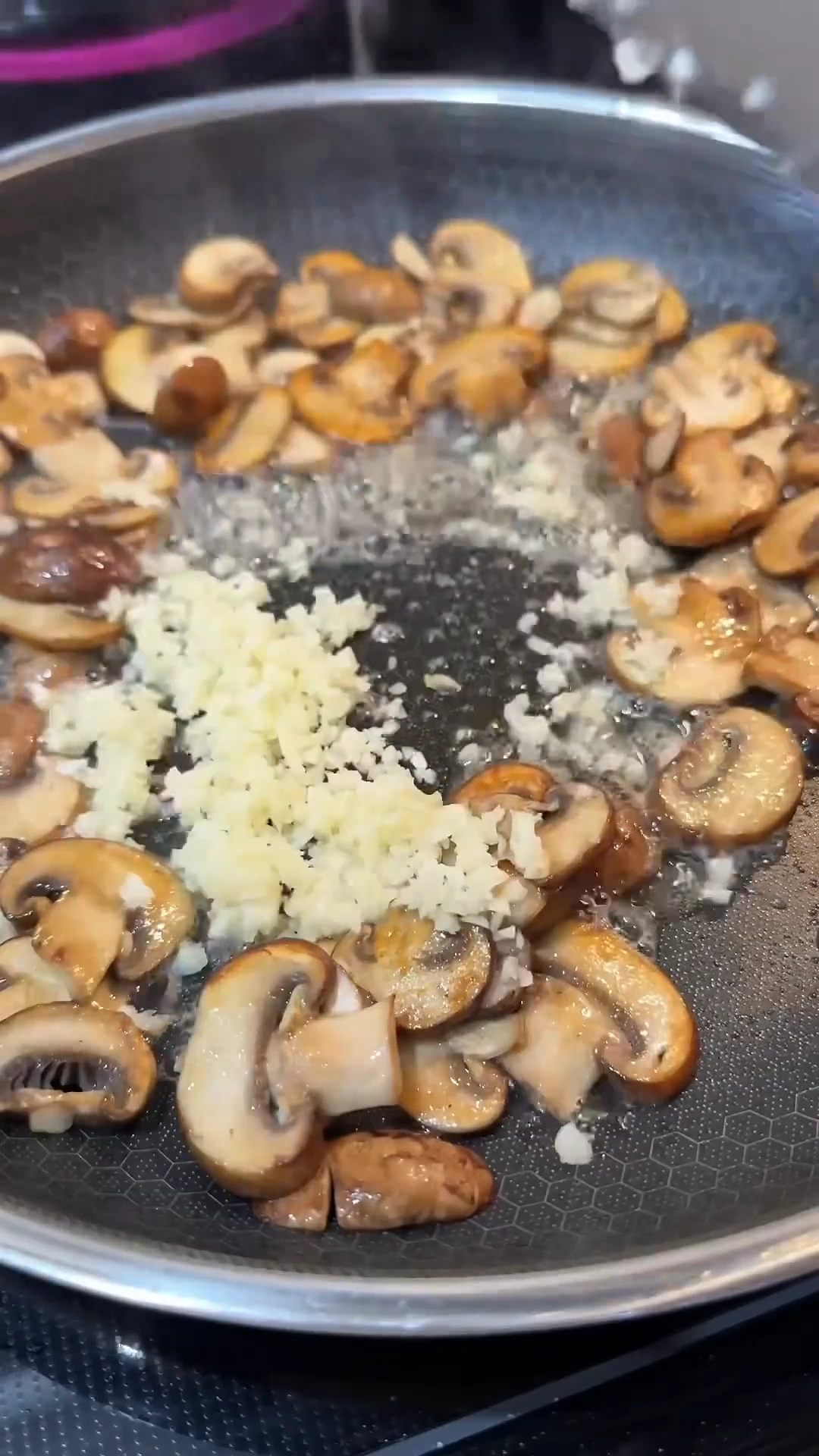
- Step 7: Cook the mushrooms — In the same pan, add butter and mushrooms. Let them sit without stirring at first so they actually brown. Once golden, stir.
- Step 8: Add garlic — Toss in minced garlic and cook for about 30 seconds until fragrant. Don’t let it burn—it turns bitter fast.
Steak & Creamy Mushroom Sauce Finish
- Step 9: Add flour — Stir it into the mushrooms and cook for about a minute. This removes that raw taste.
- Step 10: Deglaze the pan — Pour in chicken broth and scrape up every browned bit. That’s where the real flavor is.
- Step 11: Add cream and herbs — Stir in heavy cream, sage, and oregano. Let it simmer until it thickens and coats the back of a spoon.
- Step 12: Finish with cheese — Add pecorino and stir until melted. Taste, adjust salt if needed, then spoon over your steak or slice the steak and return it to the pan.
Steak Doneness Guide
If you’re not used to cooking steak often, using temperature instead of guesswork makes a big difference. For medium-rare, aim for about 130–135°F (54–57°C) after resting. Medium lands around 140–145°F. The steak will continue cooking slightly while it rests, so pull it off the heat just before it hits your target.
A simple tip: press the center of the steak with tongs. The firmer it feels, the more cooked it is. Over time, you’ll get a feel for it without needing a thermometer.
Choosing the Right Pan
A heavy skillet, especially cast iron, works best for this recipe. It holds heat well and gives you that deep, even crust. If your pan is too thin, the temperature drops when the steak hits it, and you won’t get proper browning.
Also, avoid overcrowding. If you’re cooking multiple steaks, do it in batches. Crowding traps steam, and that’s the fastest way to lose that crisp sear.
If you want another cozy mushroom-based dinner, I once tried something inspired by a flaky mushroom pot pie idea, and it reminded me just how much mushrooms love cream and butter together.
Making the Mushroom Sauce
I always make the sauce in the same pan as the steak. Those browned bits stuck to the bottom? That’s pure flavor, and you don’t want to waste it.
The texture you’re aiming for is smooth and slightly thick—something that coats the steak without sliding right off. If it gets too thick, just add a splash of broth or cream and stir it back to life.
For even deeper flavor, you can let the mushrooms cook a little longer than you think. When they shrink and turn deeply golden, that’s when they develop that almost meaty taste that makes the sauce so satisfying.
You can make the sauce ahead of time, but I’ll be honest—it tastes best fresh. If you do prep it early, reheat gently and stir often so it doesn’t separate.
I learned a lot about building sauces from dishes like a classic chicken marsala technique, where the pan drippings do most of the heavy lifting.
Extra Tips for Best Results
Use paper towels to dry the steak thoroughly before seasoning—moisture is the enemy of a good crust. If you have time, salt the steak up to an hour in advance for deeper flavor.
Slice mushrooms evenly so they cook at the same rate. If some are too thin, they’ll burn before others brown properly.
When adding cheese, lower the heat slightly. High heat can cause the sauce to split or turn grainy instead of smooth and glossy.
Finally, always taste before serving. A small pinch of salt or extra squeeze of lemon (just a few drops) can sharpen everything right at the end.
How to Serve It
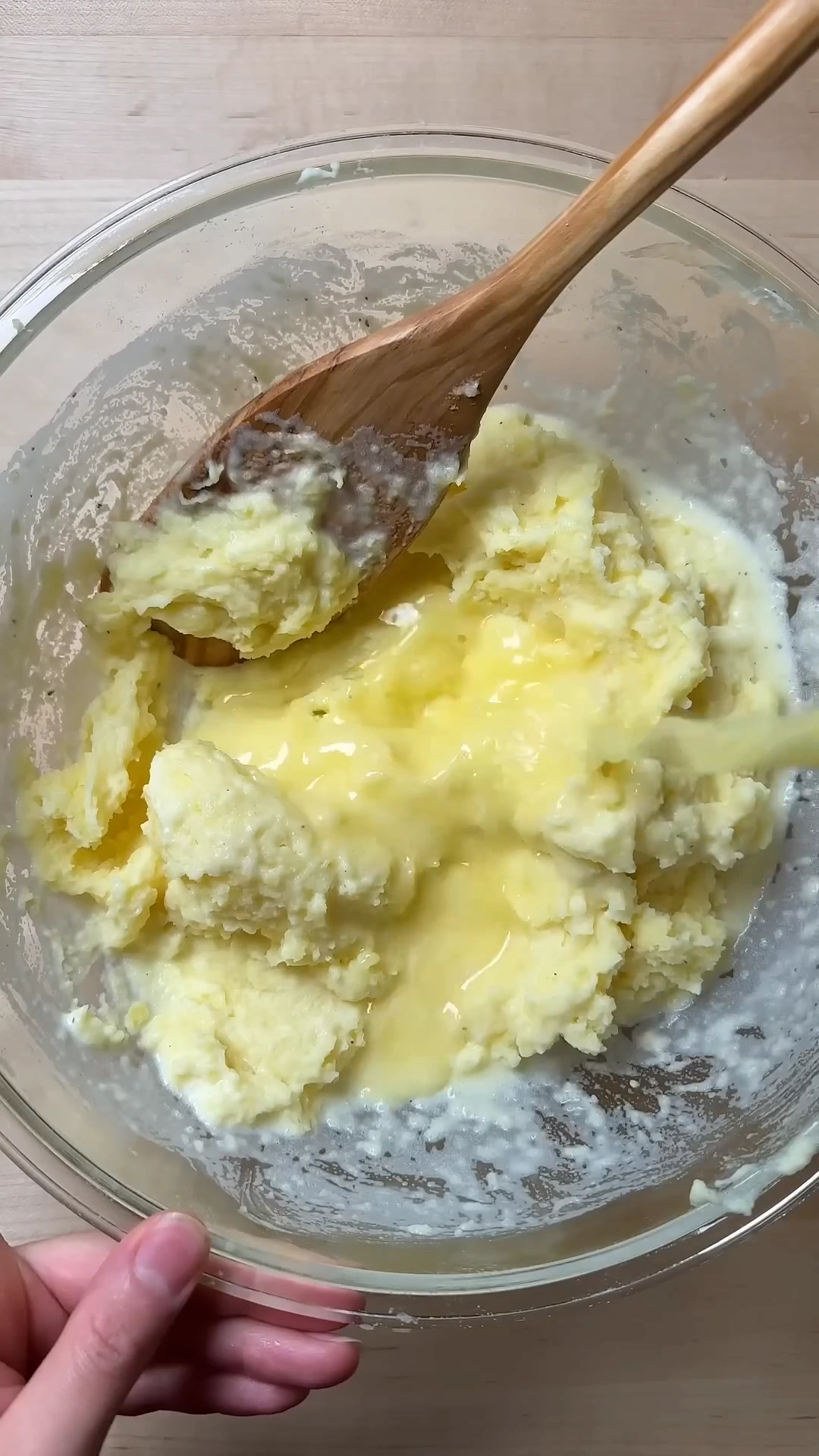
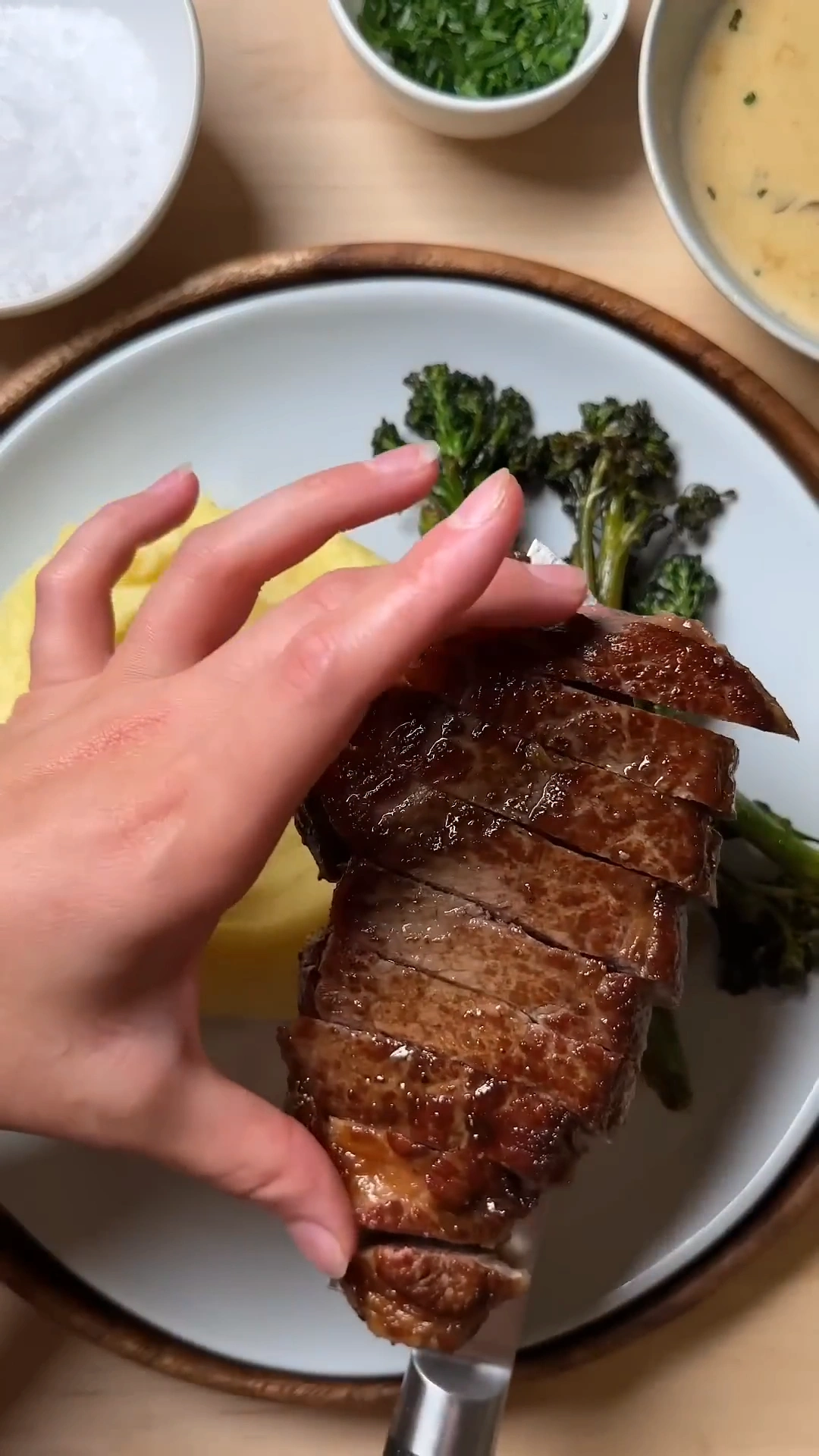
I like to slice the steak and spoon that creamy mushroom sauce right over the top so it seeps into every piece. If I’m feeding my kids, I keep it simple with mashed potatoes because they soak up every drop.
Broccolini on the side adds a nice contrast—it’s slightly crisp and a little bitter, which balances the richness of the sauce. Sometimes I’ll add extra grated pecorino right before serving.
If you want to switch it up, this also works beautifully over buttered pasta, polenta, or even crusty bread to soak up the sauce. It’s one of those meals that feels flexible depending on what you have on hand.
This is comfort food done right, especially with a glass of red wine or even just iced tea if it’s a busy weeknight.
Common Mistakes to Avoid
One of the biggest issues is moving the steak too soon. If it sticks, it’s not ready to flip yet. Let the crust form naturally and it will release on its own.
Another common mistake is adding the cream before the pan is properly deglazed. If you skip scraping up those browned bits first, you lose a lot of depth in the final sauce.
And finally, don’t rush the mushrooms. If they’re pale and soft, the sauce will taste flat. Give them time to brown properly for the best result.
Storage and Reheating
Store leftovers in an airtight container in the fridge for up to 3 days. I keep the steak and sauce separate if possible so the steak doesn’t overcook.
The sauce can be frozen for up to 2 months, but the texture may change slightly because of the cream. It’s still good—just not as silky.
Reheat gently on the stove over low heat. Add a splash of broth or cream to loosen the sauce and keep it smooth.
If you’re into steak dinners like this, I once pulled inspiration from a rustic steak oreganato approach, which also focuses on simple ingredients done right.
FAQ
Can I use a different cut of steak?
Yes, strip steak or sirloin both work well. Ribeye gives the juiciest result because of the fat, but sirloin is a great leaner option if that’s what you have.
How do I know when the sauce is ready?
The sauce should coat the back of a spoon and hold a line when you run your finger through it. If it looks watery, let it simmer another minute or two.
Can I make this without heavy cream?
You can use half-and-half, but the sauce will be thinner and less rich. If you do, simmer a little longer to help it thicken naturally.
Why didn’t my mushrooms brown properly?
Most likely the pan was overcrowded or not hot enough. Mushrooms release moisture first—give them space and time so that liquid cooks off and they turn golden.
Can I add wine to the sauce?
Yes, a splash of dry white or even red wine added during deglazing adds extra depth. Let it reduce for a minute before adding cream.
Related Recipes
- Garlic Butter Steak Bites
- Crispy Roasted Potatoes
- Cream Cheese Stuffed Mushrooms Recipe
- Smash Burger Bbq Style
Steak & Creamy Mushroom Sauce
- Prep Time: 10
- Cook Time: 30
- Total Time: 40
- Yield: 2 servings 1x
- Category: Main Course
- Method: Stovetop
- Cuisine: American
Description
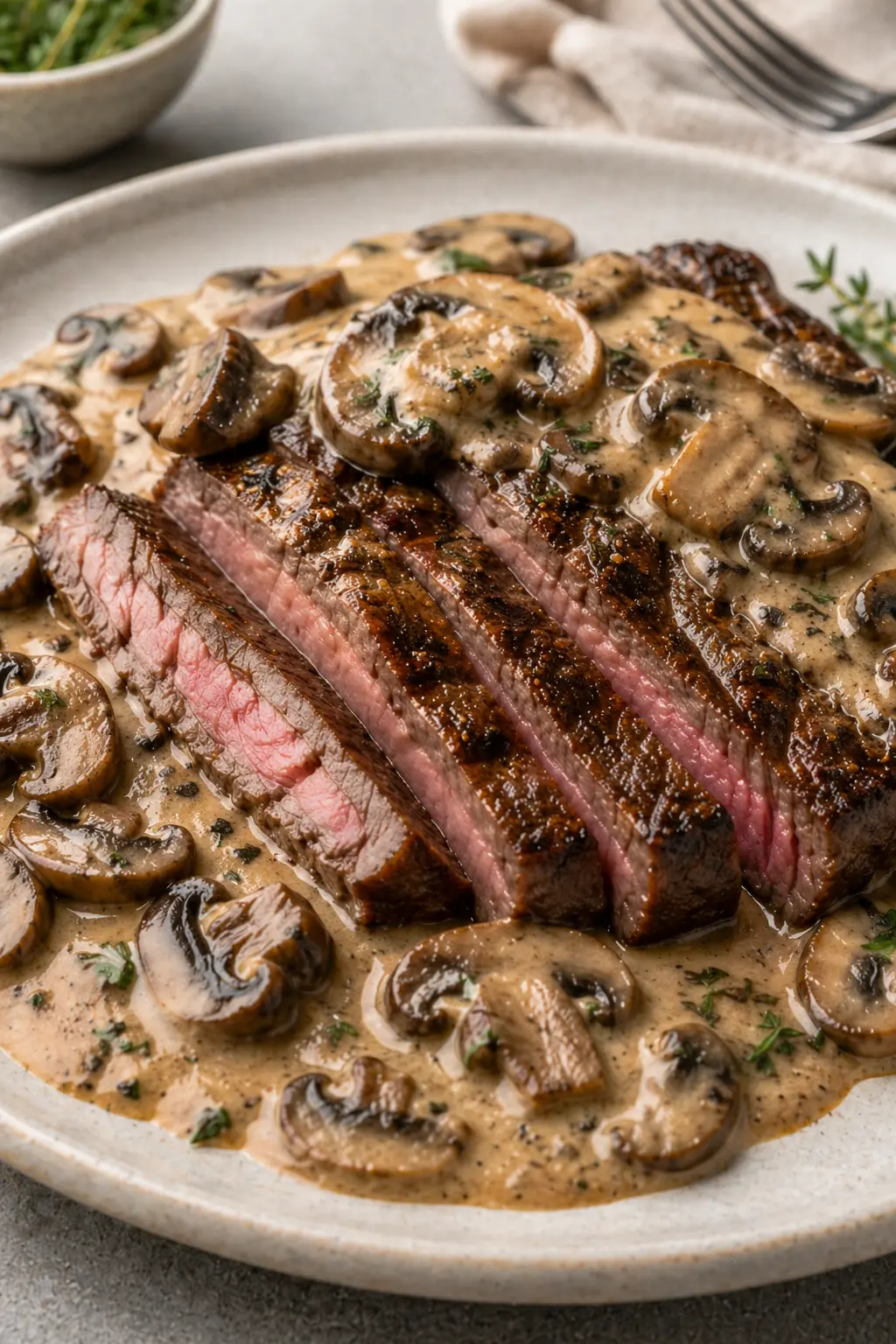
Steak & Creamy Mushroom Sauce is a rich, comforting dish featuring a golden-seared ribeye topped with a silky garlic mushroom cream sauce. The flavors build in one pan, capturing all the savory browned bits for depth and balance. It’s a reliable way to achieve a restaurant-quality steak at home without complicated steps.
Ingredients
- 2 ribeye steaks (1-inch thick, about 10–12 oz each, room temperature)
- Salt and black pepper (to taste, freshly ground)
- 4 tbsp butter (divided)
- 2 garlic cloves (lightly crushed, for steak)
- 2 rosemary sprigs (fresh)
- 2 tbsp olive oil (for sauce)
- 200–300 g mushrooms (cremini or button, sliced evenly)
- 2 tbsp butter (for sauce)
- 6 cloves garlic (minced)
- 1 tsp all-purpose flour (for light thickening)
- 1 cup chicken broth (low sodium preferred)
- 1 cup heavy cream (room temperature)
- 1 tbsp fresh sage (finely chopped)
- 1 tsp fresh oregano (chopped)
- 1/4 cup pecorino Romano (finely grated)
- 1 bunch broccolini (trimmed ends)
Instructions
- Preheat pan: Heat a heavy skillet over medium-high heat to about 425°F for 5 minutes until very hot; a drop of water should sizzle instantly.
- Season steak: Pat steaks dry and season generously with salt and pepper; the surface should look evenly coated with no wet spots.
- Sear first side: Add 1 tbsp butter and place steaks in pan; sear for 3–4 minutes without moving until a deep golden crust forms.
- Flip and baste: Flip steaks, add remaining butter, garlic, and rosemary; tilt pan and baste continuously for 3–4 minutes until internal temp reaches 130°F for medium-rare and surface is glossy.
- Rest steak: Remove steaks and rest on a plate for 5–7 minutes; juices should redistribute and not run when sliced.
- Cook mushrooms: In same pan at medium heat (375°F), add olive oil and mushrooms; cook 6–8 minutes until browned and moisture evaporates.
- Build sauce base: Add butter and minced garlic; cook 1–2 minutes until fragrant but not browned, then stir in flour and cook 1 minute until slightly thick.
- Add liquids: Pour in chicken broth and simmer 3 minutes, scraping browned bits; liquid should reduce slightly and look glossy.
- Finish sauce: Add cream, herbs, and cheese; simmer 4–5 minutes until thick enough to coat a spoon.
- Cook broccolini: In a separate pan or same skillet edge, sauté broccolini at 375°F for 5–6 minutes until bright green and tender-crisp with slight char.
- Serve: Slice steak against the grain and spoon sauce over; the interior should be juicy with a warm pink center.
Notes
- Substitution: Swap ribeye with sirloin or strip steak; adjust cooking time slightly for leaner cuts.
- Make-ahead: Sauce can be prepared up to 2 days in advance and refrigerated; reheat gently before serving.
- Storage: Store leftovers in an airtight container in the fridge for up to 3 days.
- Reheating: Warm steak in a 300°F oven for 8–10 minutes; reheat sauce on stovetop over low heat for 5 minutes, adding a splash of broth if needed.
- Serving suggestion: Pairs well with mashed potatoes, pasta, or crusty bread to soak up the sauce.
- For another hearty dinner idea, try Baked Chicken Drumsticks.
Nutrition
- Array