
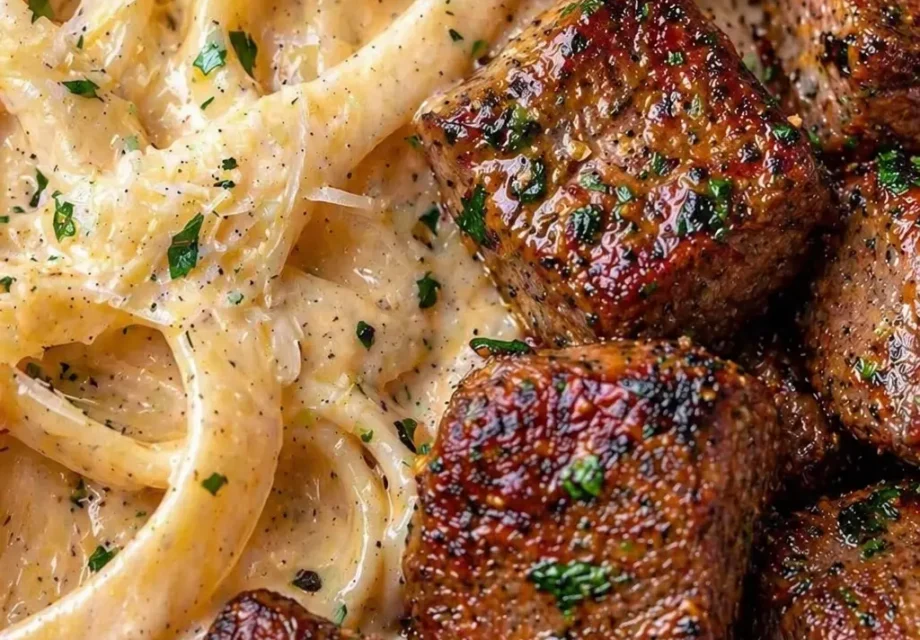
It hits that perfect middle ground between comfort food and something you can eat on a regular weeknight without feeling weighed down. The balance of protein, fats, and carbs makes it filling but still energizing, which is exactly what I want from a dinner like this.
If you’ve ever had Alfredo that felt too rich or steak that turned out chewy, this version fixes both. It’s all about a few simple technique tweaks that make a big difference.
How This Became My Weeknight “Treat Dinner”
I started making this during one of those chaotic weeks where my kids were hungry before I even got groceries unpacked. I needed something fast, filling, and honestly… something that felt like a reward at the end of the day. This was it.
The first time I made it, I rushed the steak and crowded the pan. Big mistake. Instead of that crispy, browned edge, I got gray, sad little pieces. My husband still ate it (because he’s nice like that), but I knew it could be way better. Now I give the steak space, and trust me, that crust changes everything.
Another early mistake was overheating the sauce. I thought higher heat would make it come together faster, but it just made the cream cheese grainy. Once I slowed it down and kept the heat gentle, the sauce turned silky and smooth every single time.
These days, this is one of my go-to dinners when I want comfort food done right but still balanced. It’s simple, but so good, and it always disappears fast in my house.
Why You’ll Love This High Protein Garlic Parmesan Steak Alfredo Pasta
- The steak gets that golden, buttery crust with a garlicky finish that makes every bite feel rich without being heavy
- The Alfredo sauce turns smooth and creamy without relying on heavy cream, so it doesn’t sit like a brick in your stomach
- It reheats way better than most creamy pasta—no weird separation if you do it right
- You can swap the steak cut, pasta shape, or even lighten it more depending on what you have
- It actually fills you up—this isn’t one of those meals where you’re hungry again in an hour
- The ingredients are simple and easy to keep on hand, making it realistic for busy weeknights
- You can scale it up easily for meal prep without losing texture or flavor
What You’ll Need for High Protein Garlic Parmesan Steak Alfredo Pasta
Main Protein / Base
- Topside or top round steak (800g) — lean, high in protein, and works beautifully when seared hot and fast; just don’t overcook it or it tightens up
- Pasta (210g uncooked) — I stick with penne or rigatoni because the sauce grabs onto those ridges better
If you prefer a slightly more tender cut, sirloin is a great option and still keeps the protein high. Just avoid very thin cuts, as they can overcook too quickly and lose that juicy bite.
Aromatics
- White onion (80g) — gives a soft sweetness that balances all the garlic and cheese
- Garlic (fresh or paste) — this is the backbone of the whole dish; don’t skimp
Fresh garlic will always give you the best flavor here, especially when it hits the butter toward the end of cooking. Garlic paste works in a pinch, but the flavor is slightly milder.
Spices
- Salt & black pepper — seasons both the steak and sauce properly
- Italian herbs & parsley — adds that classic Alfredo feel without overcomplicating things
- Smoked paprika — subtle warmth and a little color that makes everything look better
You can also add a pinch of chili flakes if you like a little heat. It cuts through the creaminess nicely without overpowering the dish.
Liquid or Sauce
- Light evaporated milk or milk (250–300ml) — gives creaminess without heaviness; I use evaporated milk when I want a thicker finish
- Light cream cheese (130g) — this is what makes the sauce silky and slightly thick without needing loads of cream
- Pasta water (50–60ml) — don’t skip this; it’s what makes the sauce glossy and smooth instead of clumpy
Evaporated milk is especially helpful if you want a more stable sauce that reheats well. It reduces the chance of separation and gives a naturally richer consistency.
Toppings
- Parmigiano Reggiano (60g total) — this is the one I always reach for because it melts cleanly and gives that salty, nutty kick
- Light butter (30–40g) — used in stages for flavor layering
- Olive oil (2 tsp) — helps the steak sear evenly without burning the butter
Grating your parmesan fresh makes a big difference. Pre-shredded versions often don’t melt as smoothly and can affect the final texture of the sauce.
How to Make High Protein Garlic Parmesan Steak Alfredo Pasta
Prep & Season
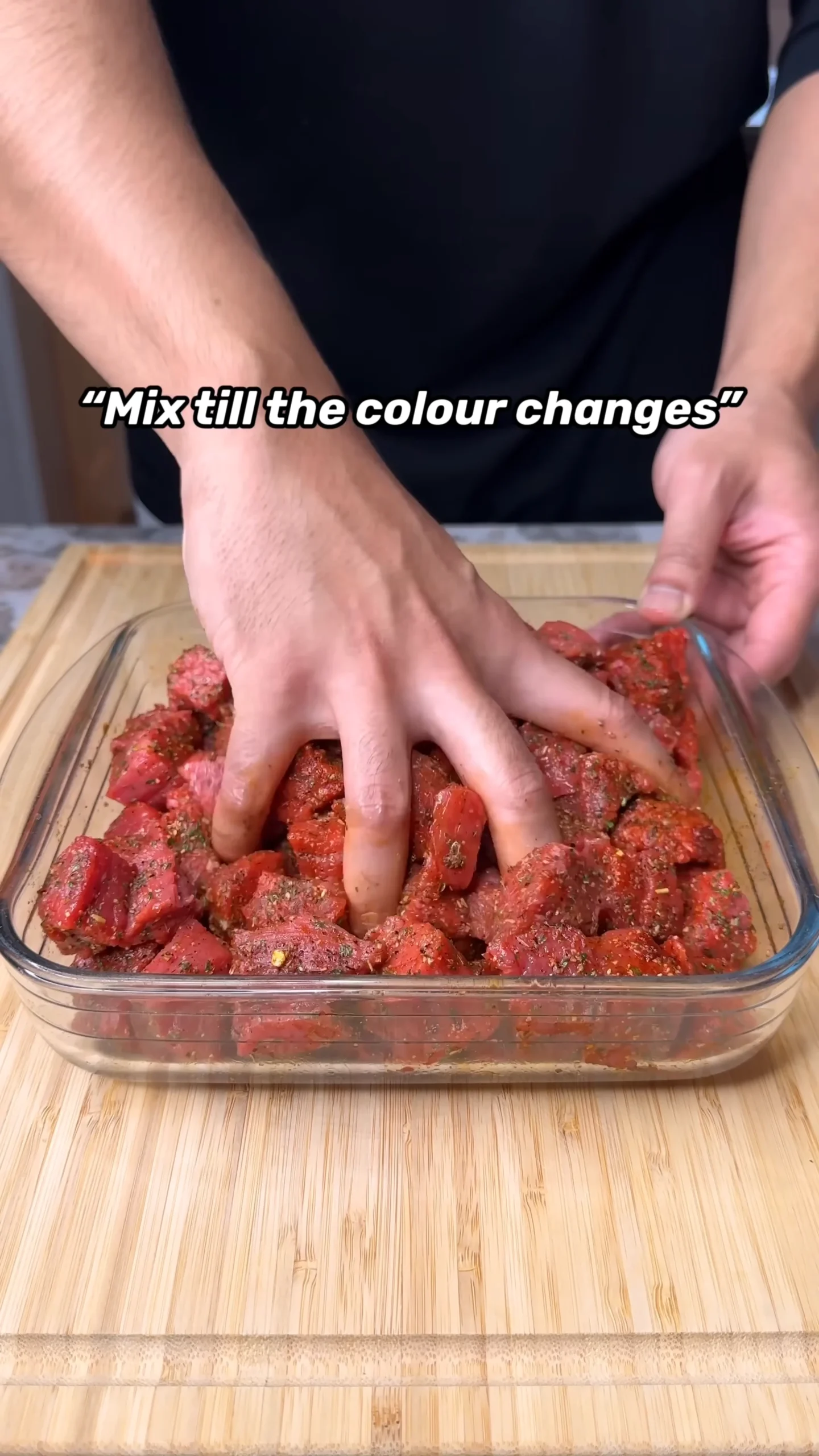
- Step 1: Season the steak — Toss the cubed steak with salt, pepper, Italian herbs, parsley, garlic powder, and smoked paprika until evenly coated. Let it sit for 30 minutes so the seasoning actually sticks and soaks in.
Letting the steak rest at room temperature for a bit also helps it cook more evenly and develop that better crust when it hits the pan.
Sear the Steak
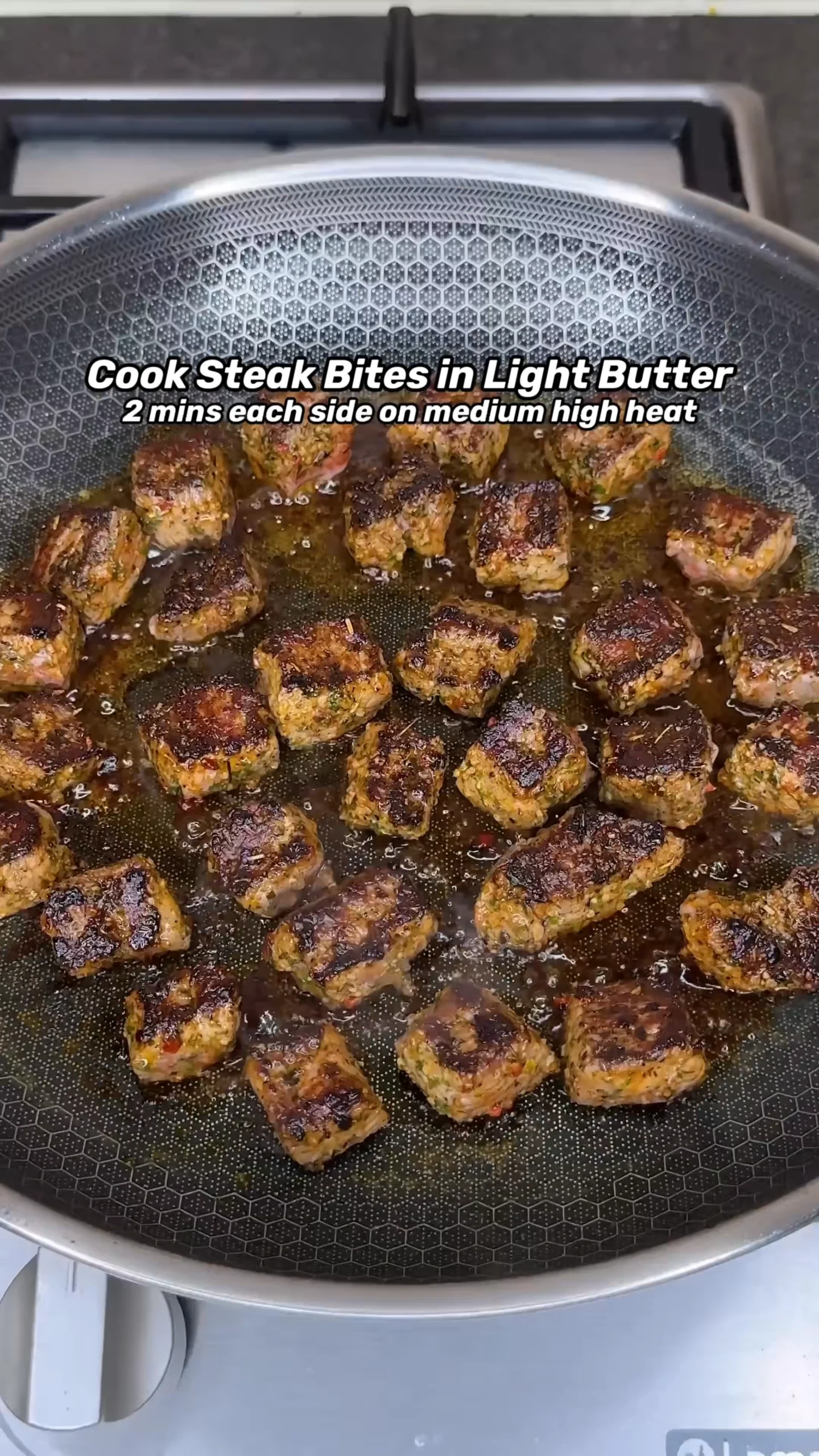
- Step 2: Sear hot for a crust — Heat olive oil and a little butter over medium-high heat. Add the steak in a single layer and cook about 2 minutes per side until you see a deep golden crust.
- Step 3: Don’t overcrowd the pan — If you pile everything in at once, it will steam instead of sear. I learned this the hard way. Cook in batches if needed.
- Step 4: Finish with garlic parmesan — Lower the heat, add more butter, garlic, and grated parmesan. Toss for about 1 minute until everything looks glossy and smells incredible. Remove and set aside.
Resist the urge to move the steak too early. Let it sit undisturbed so that crust can form properly before flipping.
Build the Sauce Base
- Step 5: Cook the aromatics — In the same pan, add onion and garlic. Cook on medium-low for 5–6 minutes until soft and slightly sweet.
- Step 6: Add seasoning — Stir in salt, pepper, Italian herbs, parsley, and smoked paprika. Let it cook for about 30 seconds until fragrant.
Using the same pan adds all the flavor from the steak directly into the sauce. Those browned bits on the bottom are pure flavor.
Finish the Pasta
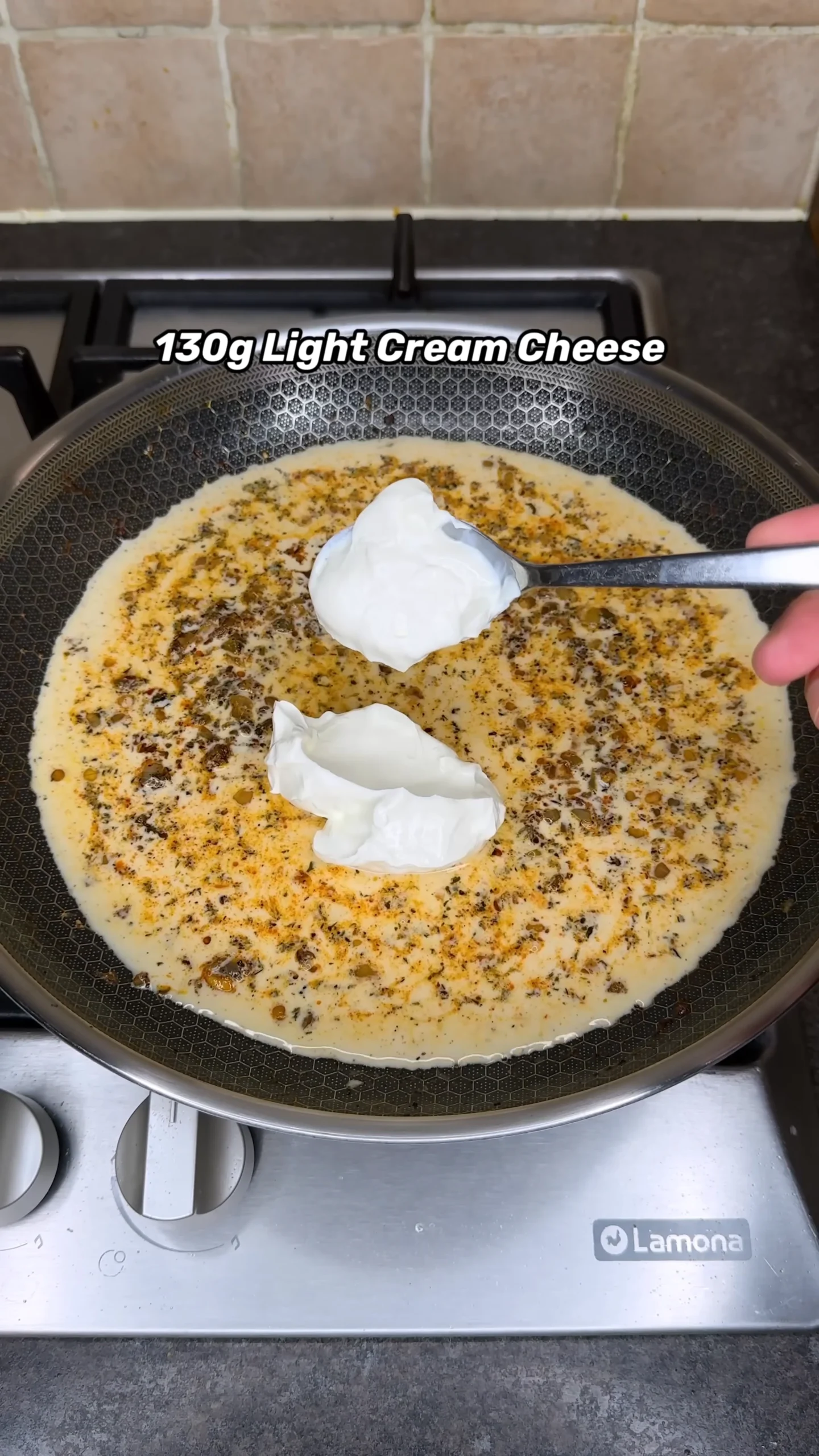
- Step 7: Make the Alfredo — Pour in the milk and add cream cheese. Keep the heat low and stir until the sauce becomes smooth and lightly bubbling.
- Step 8: Add pasta and loosen — Stir in cooked pasta and a splash of pasta water. Watch for the sauce to turn glossy and cling to the pasta instead of sitting watery.
- Step 9: Bring it together — Add the steak and juices back in. Toss gently and taste—adjust salt or parmesan if needed. Don’t overcook here or the steak will get tough.
If the sauce looks slightly loose at first, don’t worry. It thickens naturally as it sits and coats the pasta better over a minute or two.
Making the Creamy Garlic Parmesan Alfredo Sauce
The key here is low heat. If the pan gets too hot, the cream cheese can split and turn grainy instead of smooth. I keep it just at a gentle simmer and stir until everything melts together into a silky, slightly thick sauce.
Another trick is adding the cheese gradually instead of all at once. This helps it melt evenly and prevents clumping, especially if your pan is still a little hot.
That little splash of pasta water at the end is what pulls everything together. It sounds small, but it makes the sauce glossy and helps it coat every piece of pasta instead of clumping.
If your sauce ever feels too thick, just add a bit more milk and stir gently. It will loosen quickly without losing its creamy texture.
If you like learning how different pasta dishes come together, I once compared it to how creamy sauces behave in dishes like this chicken parmesan pasta breakdown, where balance matters more than just adding more dairy.
You can make the sauce ahead and keep it in the fridge for up to 3 days. When reheating, just add a splash of milk and stir gently.
Troubleshooting Common Issues
If your steak isn’t browning, your pan likely isn’t hot enough or the meat is too wet. Pat it dry and give the pan a full minute to heat before adding anything.
If the sauce turns grainy, it was overheated. Lower the heat immediately and whisk in a small splash of milk to help smooth it out.
If the pasta absorbs too much sauce and feels dry, just loosen it with warm milk or reserved pasta water right before serving.
If the flavor feels flat, it usually needs more salt or parmesan. Alfredo relies heavily on proper seasoning to shine.
Pro Tips for the Best Texture and Flavor
Cut the steak into evenly sized cubes so everything cooks at the same rate. If some pieces are smaller, they’ll overcook before the rest gets that crust.
Pat the steak dry before seasoning. Moisture is the enemy of a good sear, and even a quick blot with paper towels makes a noticeable difference.
Salt your pasta water well. This is your only chance to season the pasta itself, and it directly impacts the final flavor of the dish.
Always reserve more pasta water than you think you need. It’s your safety net for adjusting the sauce at the end without making it bland.
Let the finished dish sit for a minute before serving. This gives the sauce time to settle and cling properly instead of sliding off the pasta.
Easy Variations and Ingredient Swaps
If you want to lighten it further, swap half the cream cheese for Greek yogurt. It adds protein and keeps the sauce creamy with a slightly tangy edge.
For a richer version, use a splash of heavy cream in place of part of the milk. This gives a more classic Alfredo feel while still keeping the protein balance.
You can switch the protein entirely and use chicken or shrimp, following the same searing method. Just adjust cooking times so nothing overcooks.
Whole wheat or high-protein pasta works really well here and helps boost the overall nutritional profile without sacrificing texture.
If you want more vegetables, add spinach, mushrooms, or even steamed broccoli right at the end. They blend into the sauce easily and stretch the dish.
How to Serve It High Protein Garlic Parmesan Steak Alfredo Pasta
I serve this in wide bowls so the sauce spreads evenly instead of pooling at the bottom. Right before serving, I always add extra parmesan and a little parsley for freshness.
A squeeze of lemon over the top right before serving can brighten everything up and balance the richness without making it taste acidic.
A simple green salad or roasted broccoli works perfectly on the side. If I’m going all in, I’ll add garlic bread and call it a full comfort dinner.
You can also add sautéed mushrooms or spinach if you want to stretch the dish or add more texture without changing the flavor too much.
This thickens as it sits, so if it looks too tight, just loosen it with a splash of milk. That creamy texture comes right back.
If you enjoy steak-focused meals, you’d probably appreciate techniques similar to this steak oreganato method, where finishing with butter and herbs builds that same rich coating.
Storage and Reheating
Fridge: Store in an airtight container for up to 4 days. The flavors actually deepen a bit overnight.
Freezer: Yes, you can freeze it for up to 2 months. The sauce might separate slightly, but it comes back together when reheated.
Reheating: Warm on low heat on the stove or microwave in short intervals. Add a splash of milk and stir halfway through to keep the sauce smooth.
For best results, reheat gently rather than blasting it with high heat. That’s the easiest way to keep the sauce creamy instead of oily.
If you know you’re making this for meal prep, slightly undercook the pasta. It will hold its texture better when reheated later.
I store everything together because the flavors blend better, just plan to add moisture when reheating.
If you’re into quick creamy meals, the timing here is similar to a 30-minute chicken parmesan pasta approach, where efficiency matters but technique still counts.
FAQ
Can I use a different cut of beef?
Yes, sirloin works really well and stays tender if you don’t overcook it. Ribeye is richer but higher in fat. Lean cuts like top round need a quick, hot sear and should be cooked just to medium for the best texture.
How do I keep the sauce from getting too thick?
Add pasta water or milk a little at a time while stirring. The sauce should coat the pasta smoothly, not clump. Heat also matters—keep it low so it stays creamy instead of tightening up.
Can I make this ahead for meal prep?
Yes, this is what I make on busy nights and for lunches. Store it in portions and reheat with a splash of milk. The texture stays creamy and the flavors actually get better after a day.
How can I make it even higher in protein?
Use a higher-protein pasta or slightly increase the steak portion. You can also reduce butter and keep the sauce lighter with evaporated milk to maintain the balance without losing that creamy texture.
Why is my steak chewy?
It’s usually overcooked or cut too small. Sear quickly on high heat and avoid cooking it again for too long once added back to the pasta.
Related Recipes
- Garlic Butter Steak Bites
- Cheesy Ground Beef Casserole
- Crispy Roasted Potatoes
- Smash Burger Bbq Style
High Protein Garlic Parmesan Steak Alfredo Pasta Recipe
- Prep Time: 10
- Cook Time: 30
- Total Time: 40
- Yield: 4 servings 1x
- Category: Main Course
- Method: Stovetop
- Cuisine: Italian-American
Description
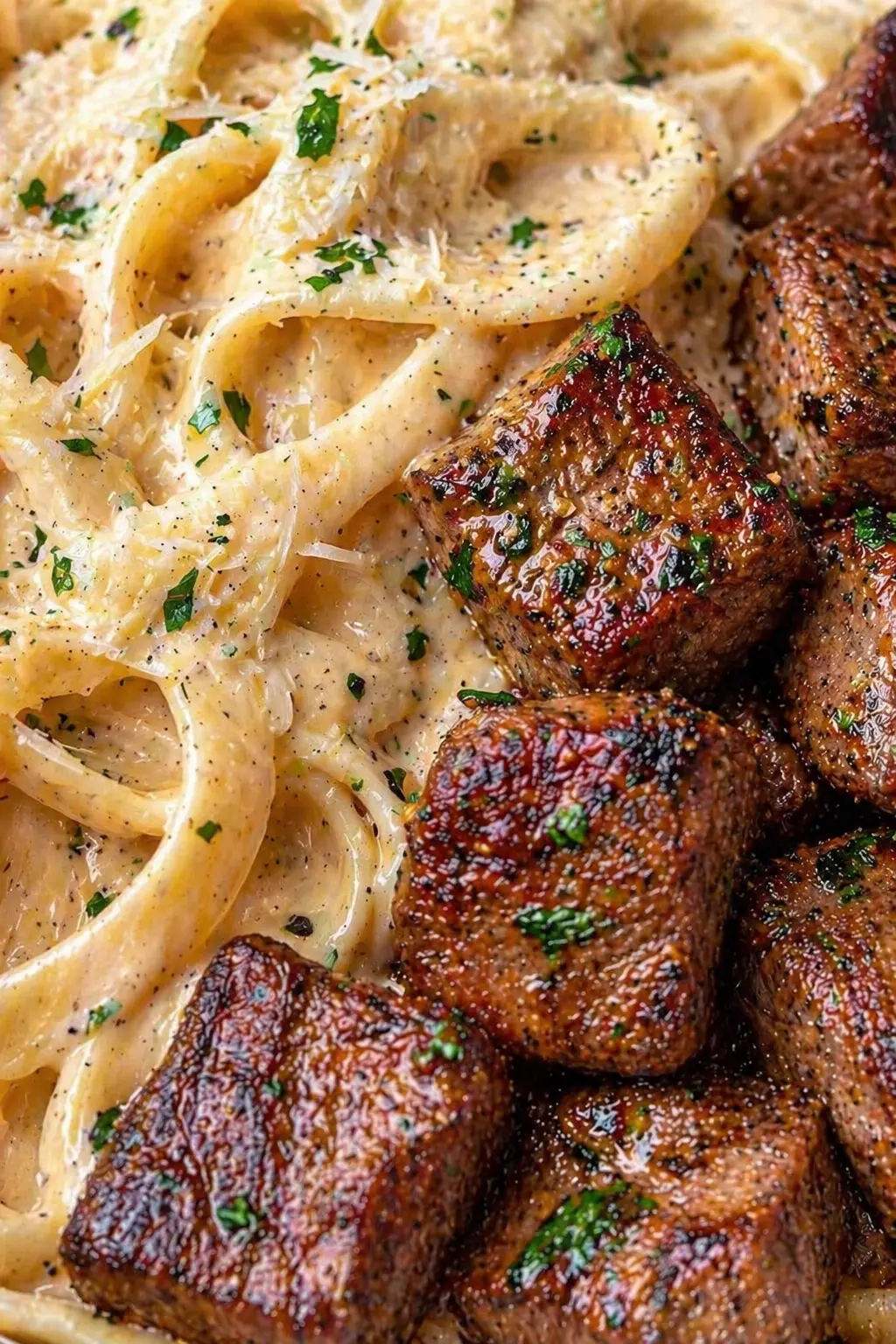
This High Protein Garlic Parmesan Steak Alfredo Pasta combines tender, seared steak bites with a creamy, lighter Alfredo sauce that coats every strand of pasta. The garlic and parmesan bring deep, savory flavor while keeping the dish balanced and satisfying. It is a reliable weeknight dinner that feels indulgent without being overly heavy.
Ingredients
- 800 g raw steak, cubed (topside or top round, trimmed of excess fat)
- 1.5 tsp salt (fine sea salt)
- 1.5 tsp black pepper (freshly ground)
- 2 tsp Italian herbs (dried blend)
- 1.5 tsp parsley (dried or fresh chopped)
- 1.5 tsp garlic powder
- 1.5 tsp smoked paprika
- 2 tsp olive oil (extra virgin preferred)
- 35 g light butter (divided, for cooking and finishing)
- 2 tsp garlic paste (or minced fresh garlic)
- 20 g grated Parmigiano Reggiano (finely grated)
- 80 g white onion (finely chopped)
- 1 tbsp chopped garlic (fresh)
- 1 tsp salt (for sauce)
- 1 tsp black pepper (for sauce)
- 1 tsp Italian herbs (for sauce)
- 1 tsp parsley (for sauce)
- 1 tsp smoked paprika (for sauce)
- 275 ml light evaporated milk (or whole milk)
- 130 g light cream cheese (softened, cubed)
- 40 g grated Parmigiano Reggiano
- 210 g uncooked pasta (penne or fettuccine)
- 60 ml reserved pasta water (as needed)
Instructions
- Season Steak (Room Temp, 10 minutes): Toss cubed steak with salt, pepper, Italian herbs, parsley, garlic powder, and smoked paprika. Let sit at room temperature for 10 minutes until slightly tacky.
- Preheat Pan (Medium-High, 400°F surface, 2 minutes): Heat a large skillet with olive oil and half the butter until shimmering and just starting to foam.
- Sear Steak (Medium-High, 400°F, 4 minutes): Add steak in a single layer. Cook 2 minutes per side without moving until a deep golden crust forms and edges look browned.
- Finish Steak (Medium, 350°F, 2 minutes): Lower heat, add remaining butter, garlic paste, and parmesan. Toss for 1 minute until glossy and coated; steak should feel firm but still slightly springy. Remove and set aside.
- Boil Pasta (Rolling boil, 212°F, 10 minutes): Cook pasta in salted water until al dente (tender with slight bite). Reserve 60 ml pasta water before draining.
- Sauté Aromatics (Medium-Low, 300°F, 6 minutes): In the same pan, cook onion and garlic until soft, translucent, and lightly golden at the edges.
- Add Seasoning (Medium-Low, 300°F, 1 minute): Stir in salt, pepper, Italian herbs, parsley, and smoked paprika until fragrant.
- Build Sauce (Low, 250°F, 5 minutes): Add milk and cream cheese. Stir continuously until fully melted and smooth with a gentle simmer and no lumps.
- Add Cheese (Low, 250°F, 2 minutes): Mix in parmesan until the sauce thickens slightly and coats the back of a spoon.
- Combine Pasta (Low, 250°F, 2 minutes): Add drained pasta and a splash of reserved water if needed. Toss until evenly coated and glossy.
- Finish Dish (Low, 250°F, 1 minute): Return steak to pan and fold gently. Heat until warmed through; steak should remain juicy and not overcooked.
Notes
- Swap steak for chicken breast or shrimp if preferred; adjust cook time until internal temperature reaches 165°F for chicken.
- Make ahead by cooking everything and storing in airtight containers for up to 4 days in the refrigerator.
- Freeze portions for up to 2 months; thaw overnight before reheating.
- Reheat on stovetop over low heat (250°F) for 5–7 minutes with a splash of milk to restore creaminess.
- Serve with a simple green salad or garlic bread for a complete meal; for another hearty option, try Baked Chicken Drumsticks.
Nutrition
- Array