
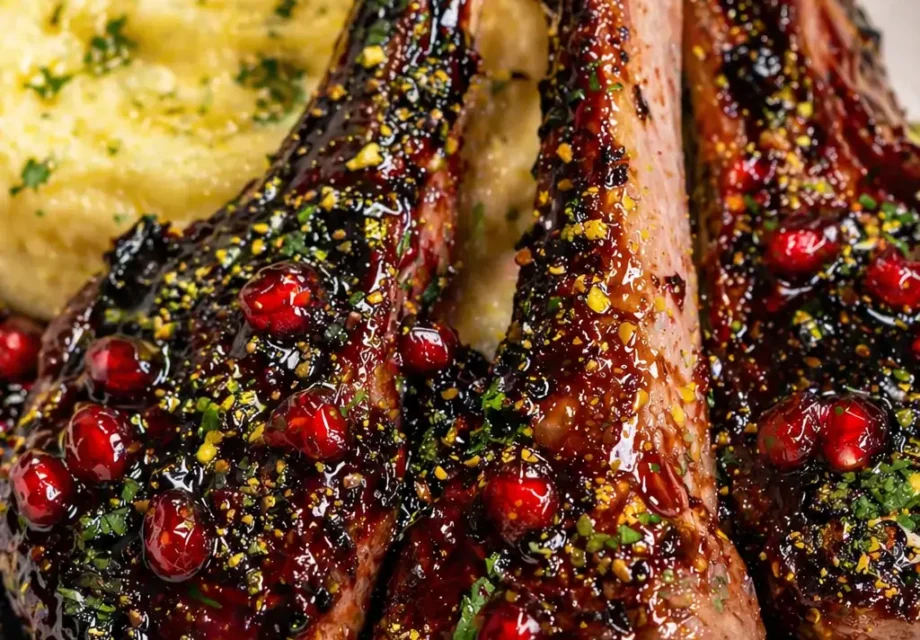
The Night I Finally Nailed This Glaze (after one smoky disaster)
The first time I tried this, I rushed the sauce. Big mistake. I cranked the heat, walked away to break up a sibling argument, and came back to a sharp, burnt-smelling pan that my kids still bring up. The lamb was fine, but the glaze? Way too thin and sour.
So I slowed it down the next time. Let the wine reduce properly, gave the pomegranate juice time to thicken, and finished with butter off the heat. That’s when it clicked. The sauce turned silky, slightly sticky, and balanced instead of harsh.
Now this is one of my go-to dinners when I want something bold but doable on a weeknight. Let me show you exactly how I do it so you skip my first mistake.
Why You’ll Love This Red Wine-Pomegranate Glazed Lamb Chops
- Deep, savory flavor from the wine with a bright pop from pomegranate that keeps it from feeling heavy
- A caramelized crust on the outside while the inside stays tender and juicy
- Ready in under an hour, including resting time
- The glaze works on chicken or even steak if that’s what you have
- This always disappears fast in my house, even with picky eaters at the table
What You’ll Need
Main Protein
- Lamb chops – I use rib chops when I can find them because they cook evenly and stay tender. A little marbling here makes a big difference in flavor.
If you’re choosing at the store, look for chops that are about 1 to 1.5 inches thick with a rosy color and fine white fat. Avoid anything grayish or with a strong smell. Thicker chops give you more control over doneness and are less likely to overcook while the glaze finishes.
French-trimmed rib chops are great for presentation, but loin chops are often more affordable and still work beautifully. Just keep an eye on thickness and adjust cooking time as needed.
Aromatics
- Garlic – Gives that warm, slightly sweet base once it hits the pan
- Shallots – Softer and sweeter than onions, they melt right into the glaze
Finely chopping the shallots helps them dissolve into the sauce rather than sitting in chunks. If you only have onion, use a small amount and cook it a little longer so it softens completely.
You can also lightly crush the garlic instead of mincing if you prefer a more subtle flavor that doesn’t overpower the glaze.
Spices
- Salt – Don’t hold back, it brings everything together
- Black pepper – Just enough bite to balance the sweetness
- Fresh rosemary or thyme – I lean toward rosemary because it stands up to the richness of lamb
If using dried herbs, cut the amount in half. Fresh herbs give a brighter finish, but dried can still work if that’s what you have on hand.
A pinch of smoked paprika can be added for a subtle warmth, especially if you want a slightly deeper, more savory profile.
Liquid or Sauce
- Red wine – Use something dry like Cabernet. If it’s good enough to sip, it’s good enough for this.
- Pomegranate juice – This is the one I always reach for because it keeps the sauce bright and slightly tangy instead of heavy
- Balsamic vinegar – Adds depth and helps round out the glaze
Avoid overly sweet pomegranate blends if possible. Pure juice gives you better control over the final balance. The wine should be dry, not cooking wine, since that tends to be salty and flat.
If you want a slightly thicker glaze, you can use a splash of pomegranate molasses along with the juice. It intensifies both the sweetness and tang.
Vegetables or Add-ins
- Pomegranate seeds (optional) – Little bursts of sweetness and crunch at the end
These are optional but worth it for texture. They also make the dish look more finished without extra effort.
Toppings
- Fresh herbs – A sprinkle at the end wakes everything up
- Butter – This is what turns the sauce silky instead of thin
Use cold butter and add it off heat. This step, called mounting, emulsifies the sauce and gives it that restaurant-style finish.
How to Make Red Wine-Pomegranate Glazed Lamb Chops
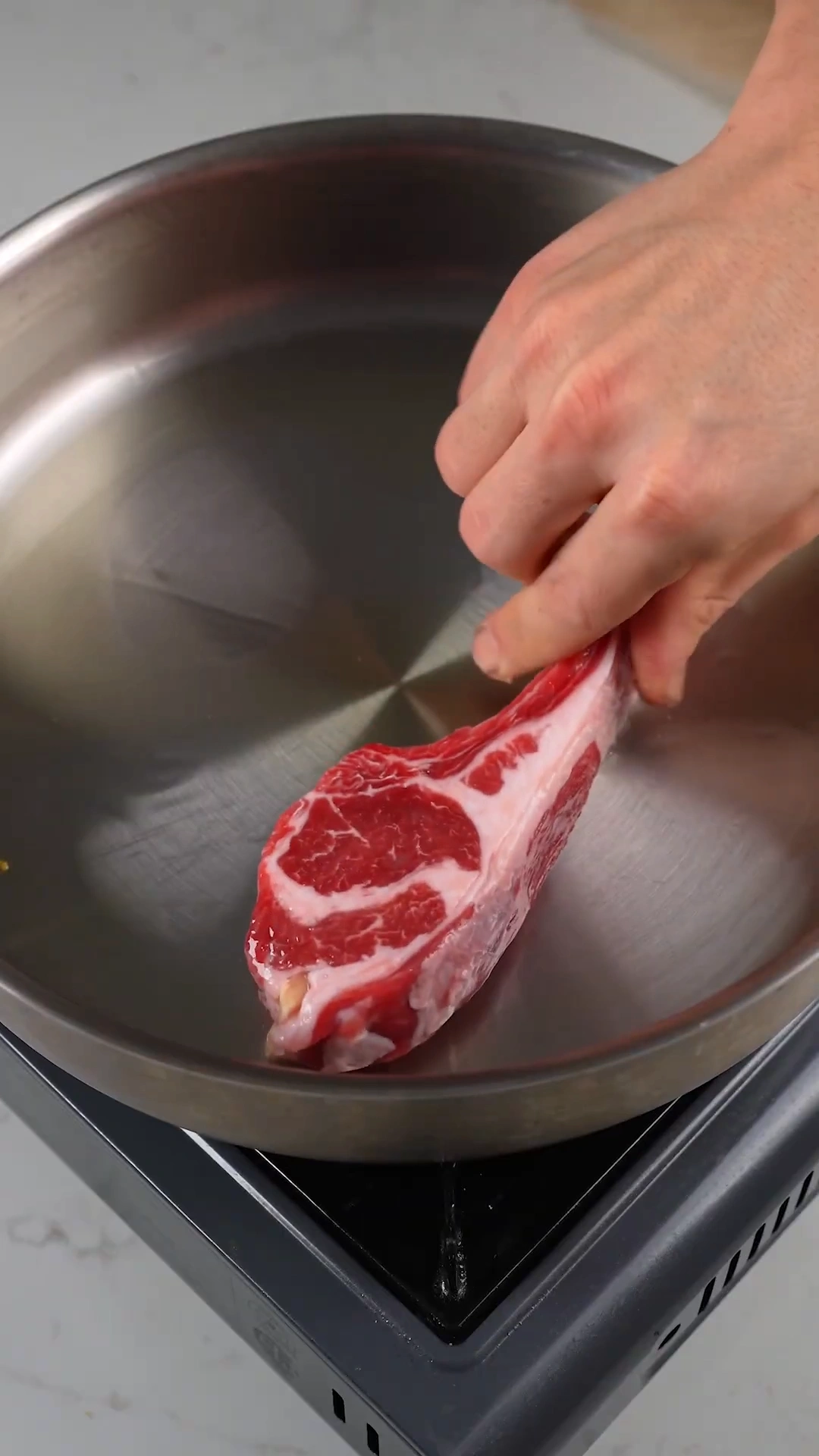
Prep & Season
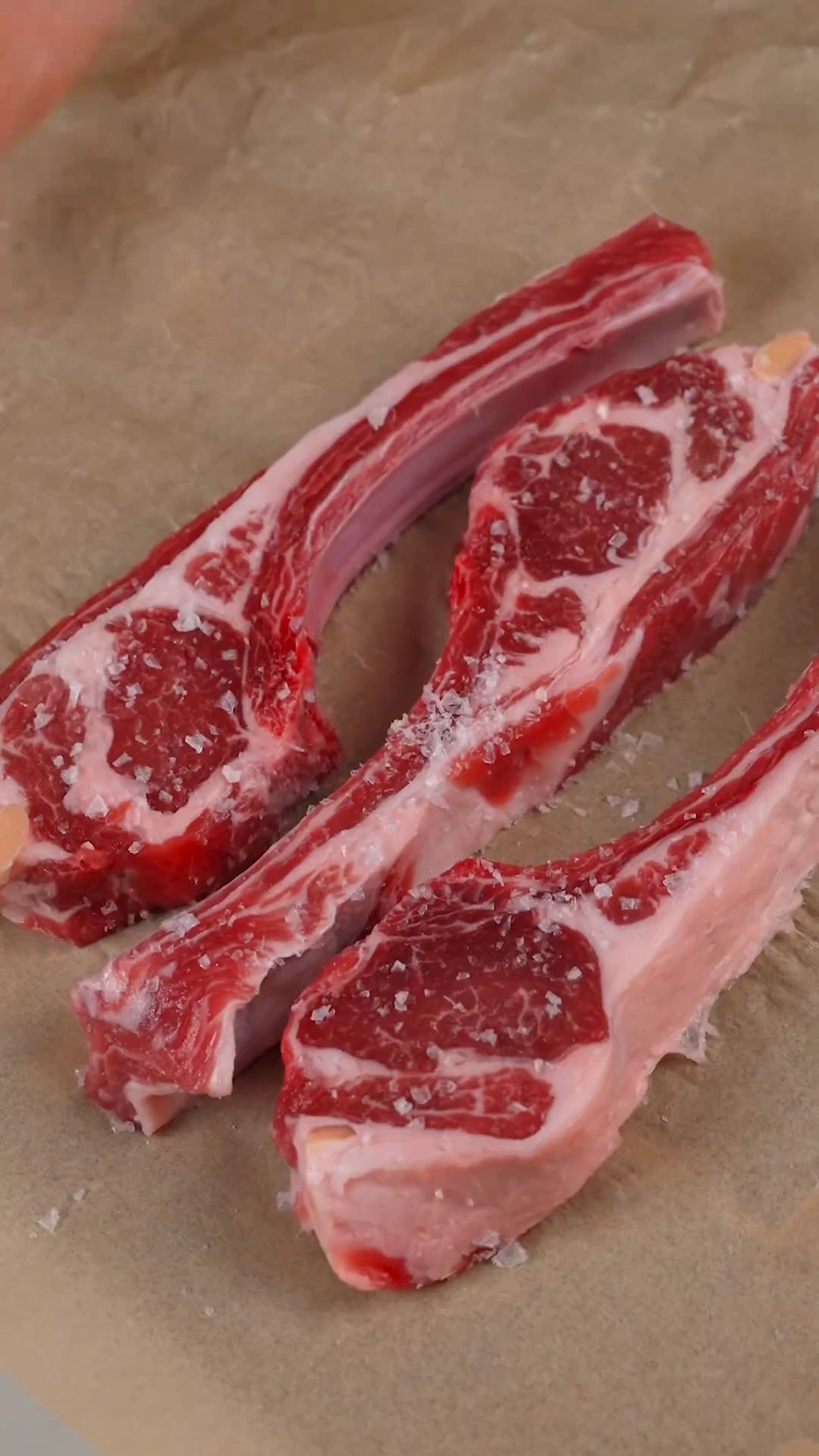
- Step 1: Bring the lamb to room temperature
Let the chops sit out for about 20 minutes. Cold meat hits the pan and tightens up fast, which makes it cook unevenly. - Step 2: Season generously
Pat them dry first, then season both sides with salt, pepper, and chopped rosemary. Press it in so it actually sticks.
Drying the surface is key. Moisture creates steam, and steam prevents browning. A dry surface gives you that deep golden crust that makes the dish feel complete.
Sear the Lamb
- Step 3: Heat the pan properly
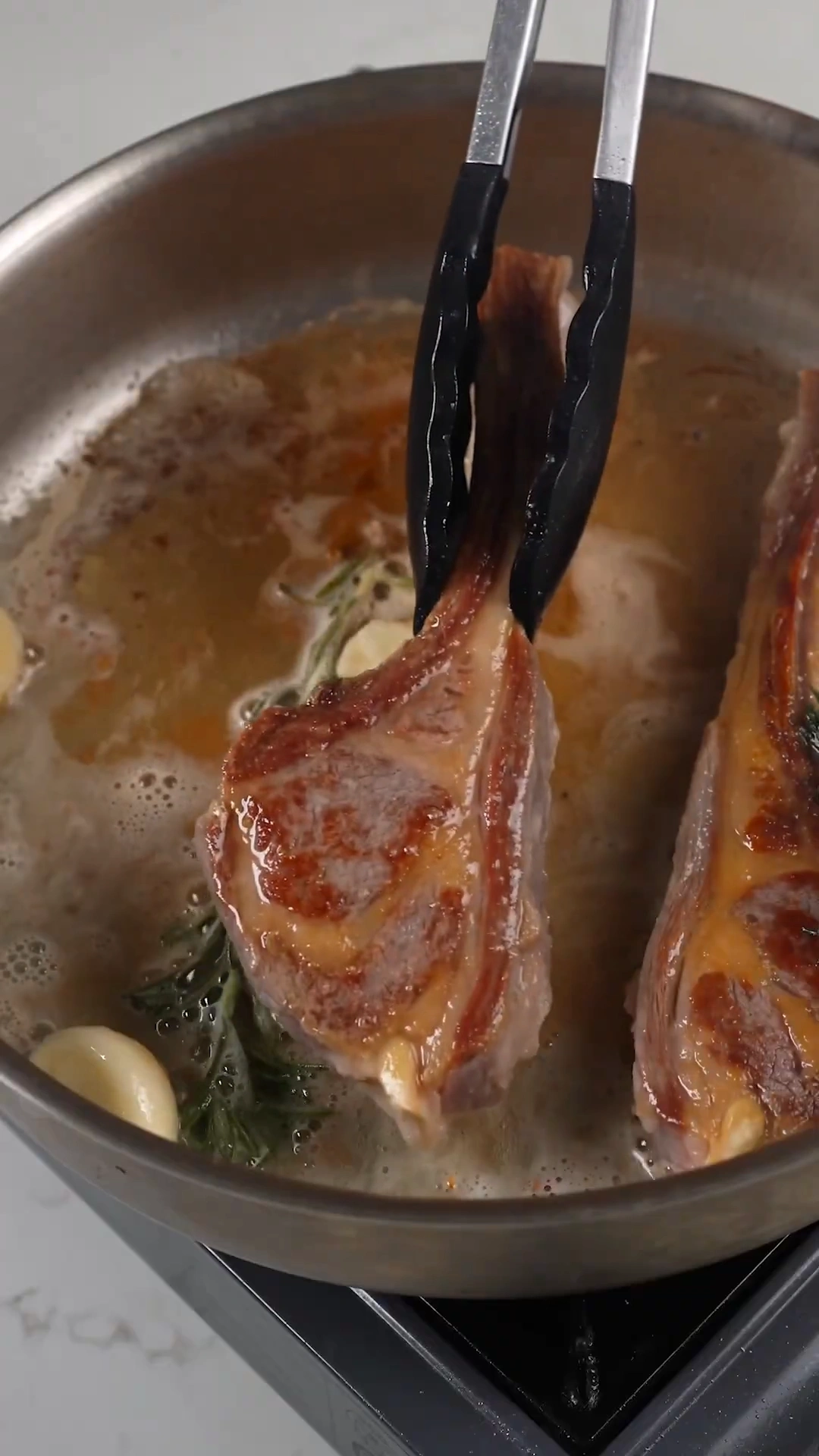
Use a heavy skillet over medium-high heat. You want it hot enough that the lamb sizzles right away, but not smoking. - Step 4: Sear until golden
Cook 3–4 minutes per side. Don’t keep flipping. Let that crust form—this is where the texture happens. - Step 5: Rest the meat
Move the chops to a plate and let them rest. If you skip this, the juices run out and you lose that tenderness.
If your chops have a fat cap, hold them upright with tongs for about a minute to render some of that fat. It adds flavor and helps prevent chewiness.
Build the Base
- Step 6: Cook the aromatics
In the same pan, add shallots and garlic. Stir until soft and fragrant, about 2 minutes. - Step 7: Deglaze with wine
Pour in the red wine and scrape up the browned bits. That’s pure flavor sitting on the pan.
Use a wooden spoon to scrape the bottom thoroughly. Those browned bits, called fond, are what give the sauce depth. Let the wine simmer until it reduces by about half before adding anything else.
Finish the Dish
- Step 8: Add pomegranate juice and reduce
Let it simmer until it thickens and coats the back of a spoon. This takes about 10–12 minutes. Don’t rush it. - Step 9: Stir in butter
Turn the heat low and whisk in butter. This gives you that glossy finish. Don’t boil after adding it or the sauce can split. - Step 10: Return the lamb
Spoon the glaze over the chops and warm them for 1–2 minutes. Taste the sauce and adjust salt if needed.
If the glaze reduces too far, just add a splash of water or broth to loosen it. You’re aiming for a texture that lightly coats the meat, not something sticky like syrup.
Making the Red Wine-Pomegranate Glaze
This glaze is where everything comes together. I combine the red wine, pomegranate juice, balsamic, and aromatics, then let it reduce slowly until it thickens into a syrupy consistency.
If you’ve ever tried something like a rich pan sauce for steak with herbs and wine, this follows that same idea—build flavor in layers and don’t rush the reduction.
You can make the glaze ahead up to two days. Just reheat gently and whisk before serving so it smooths back out.
If your glaze tastes too sharp, add a small knob of butter or a pinch of sugar to round it out. If it feels flat, a tiny splash of vinegar or a squeeze of lemon can bring it back to life.
For extra depth, let the glaze reduce in stages instead of all at once. Add the wine first, reduce, then add juice. This layering builds a more complex flavor without extra ingredients.
Pan and Heat Tips
A stainless steel or cast iron skillet works best here. Nonstick pans don’t develop the same fond, which means less flavor in your sauce. Keep the heat steady—too high and the sugars in the juice can scorch, too low and the sauce won’t reduce properly.
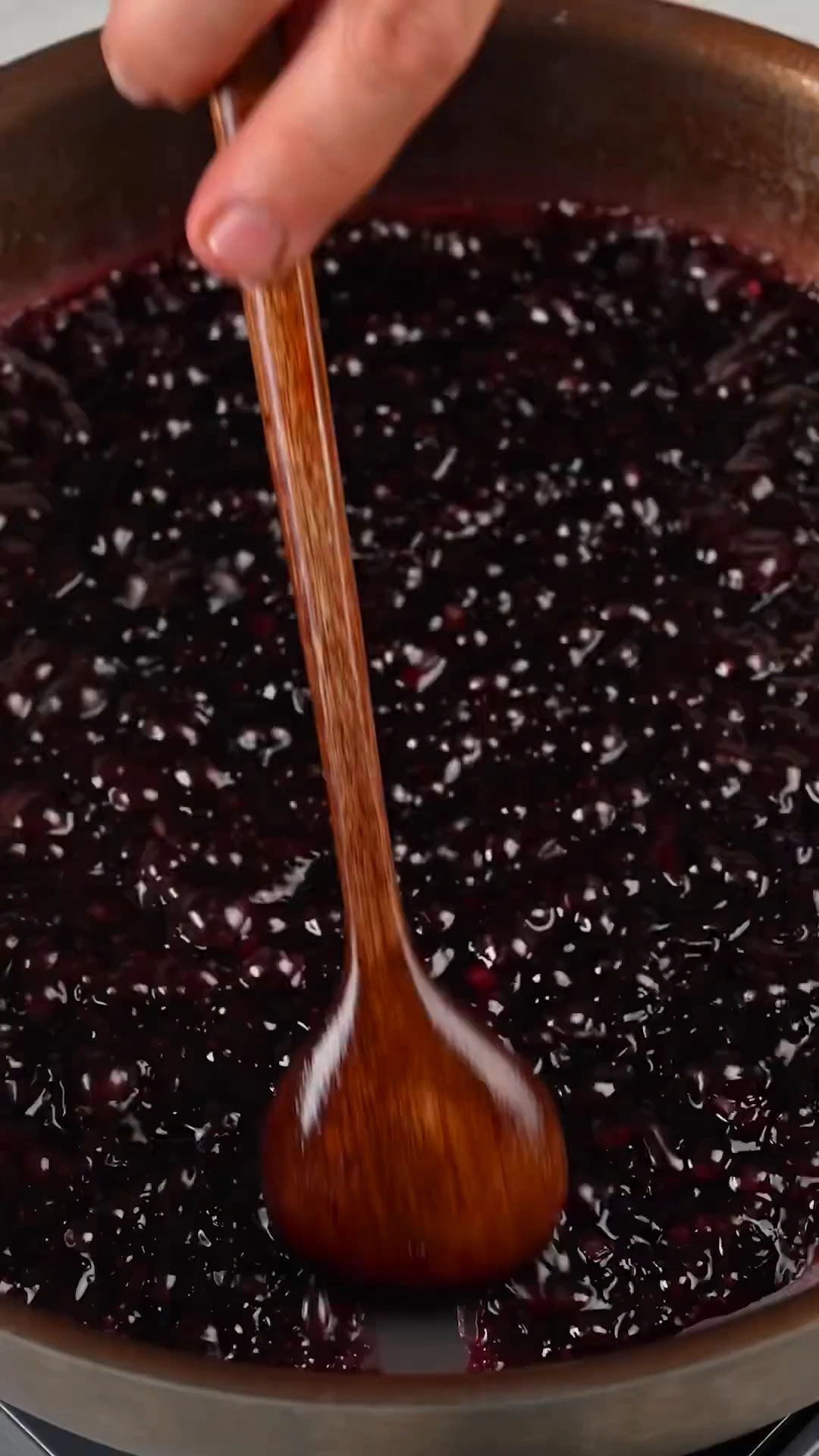
If the pan gets too dark while cooking, lower the heat and add a splash of liquid to prevent burning. Controlled heat is what keeps the glaze smooth instead of bitter.
Doneness Guide
Lamb is best when slightly pink in the center. Use a thermometer if you can:
- Medium-rare: 130–135°F
- Medium: 140–145°F
Remember the temperature rises slightly as the meat rests, so pull it off the heat just before it reaches your target.
How to Serve It
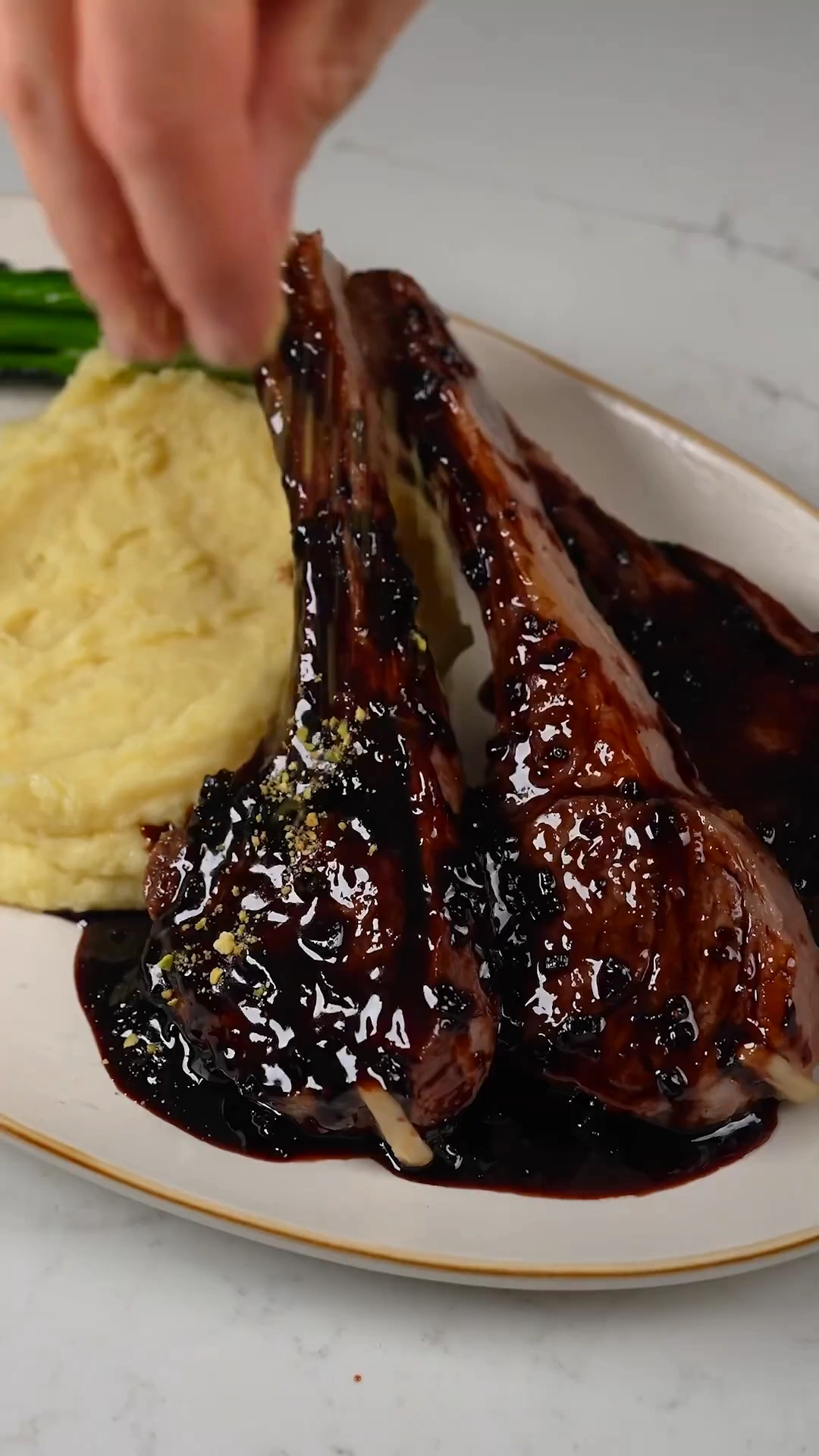
I usually serve these over creamy mashed potatoes because that glaze soaks right in. Couscous or even a simple rice works too, especially if you’ve tried something like a creamy rice-style side dish and want that same cozy base.
Roasted vegetables are another great option. Carrots, Brussels sprouts, or green beans all hold up well against the bold sauce.
Right before serving, I sprinkle pomegranate seeds and fresh herbs on top. It adds a little pop and makes it look like you tried way harder than you did.
Give it a few minutes off heat before serving—the glaze thickens slightly and clings better to the lamb.
If you’re serving guests, plate the chops first and spoon the glaze over the top rather than tossing everything together. It keeps the presentation clean and lets the crust stay intact.
For a lighter option, serve with a crisp salad dressed in lemon vinaigrette. The acidity balances the richness of the lamb and glaze.
Warm serving plates slightly before plating to help keep the lamb hot longer and maintain the glaze’s silky texture from pan to table without it tightening or dulling.
Wine Pairing
Stick with the same style of wine you used in the sauce. A Cabernet Sauvignon or Merlot complements the richness of the lamb and echoes the flavors in the glaze without overpowering it.
Storage and Reheating
Fridge: Store in an airtight container for up to 3 days. Keep the sauce separate if you can.
Freezer: You can freeze it for up to 2 months, though the texture softens a bit after thawing.
Reheating: Warm gently in a skillet with a splash of broth or water to loosen the glaze. Don’t microwave too long or the lamb gets tough.
If you have leftovers, slice the lamb thin and serve it over grains or in a wrap with a drizzle of reheated glaze. It’s just as good the next day when handled gently.
Avoid reheating on high heat, which can overcook the lamb quickly. Low and slow keeps it tender.
FAQ
Can I use a different cut of lamb?
Yes, but adjust cooking time. Thicker cuts like loin chops take longer, while thinner rib chops cook quickly. Use a thermometer if unsure—aim for 130–135°F for medium-rare to keep the meat tender and juicy.
What wine works best?
A dry red like Cabernet Sauvignon or Merlot works best. Sweet wines throw off the balance and make the glaze too sugary. Use something you’d actually drink since the flavor concentrates as it reduces.
Can I make it without alcohol?
You can swap the wine with extra pomegranate juice plus a splash of broth and a little balsamic. The result is slightly lighter but still balanced and flavorful with a nice tangy finish.
How do I know when lamb is done?
Check with a thermometer—130–135°F for medium-rare, 140–145°F for medium. The meat should feel slightly springy when pressed and still juicy inside. Overcooking makes it firm and less enjoyable.
Why did my glaze turn bitter?
It likely reduced too quickly or burned slightly. Keep the heat moderate and stir occasionally. If it happens, you can sometimes balance it with a bit of butter or a pinch of sugar.
For more on this topic, check out Stanley Tuccis Steak Oreganato, Rice Cooker Risotto and Quick Pickled Red Onions With Citrus Twist.
Related Recipes
- Garlic Butter Steak Bites
- Smash Burger Bbq Style
- Crispy Roasted Potatoes
- Garlic Parmesan Roasted Broccoli
Red Wine-Pomegranate Glazed Lamb Chops
- Prep Time: 10
- Cook Time: 30
- Total Time: 40
- Yield: 4 servings 1x
- Category: Main Course
- Method: Stovetop, Roasting
- Cuisine: Mediterranean
- Diet: Gluten Free
Description
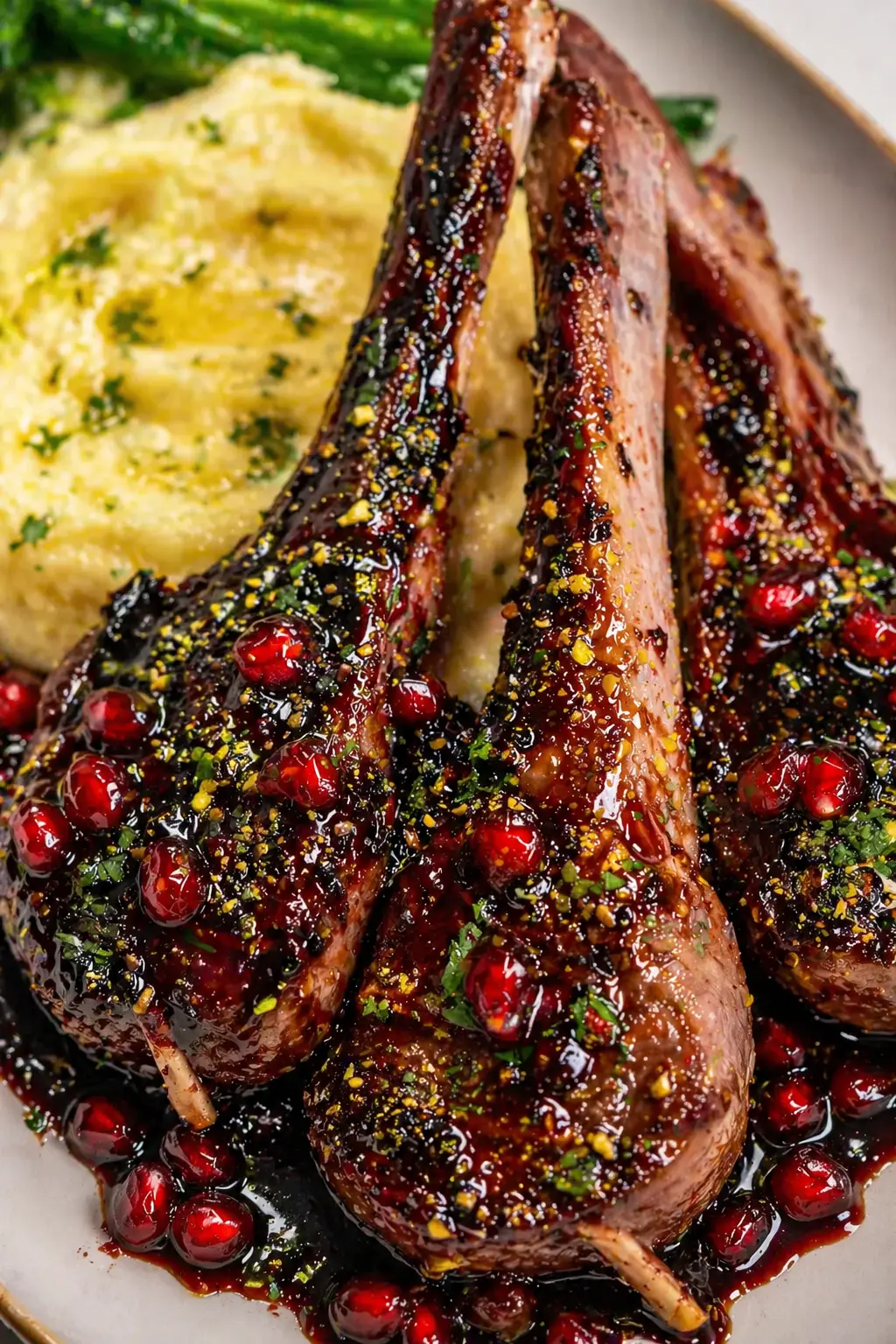
Red Wine-Pomegranate Glazed Lamb Chops are tender, juicy, and finished with a glossy, tangy-sweet sauce that balances richness with brightness. The lamb develops a caramelized crust while the glaze reduces to a silky finish. It’s a refined yet approachable dish that comes together quickly for a special weeknight dinner.
Ingredients
- 8 lamb rib chops (about 1–1.5 inches thick, trimmed)
- 1 tsp kosher salt (plus more to taste)
- 1/2 tsp freshly ground black pepper
- 1 tbsp olive oil (for searing)
- 2 cloves garlic (lightly crushed)
- 1 small shallot (finely minced)
- 1 tsp fresh rosemary (finely chopped, or 1/2 tsp dried)
- 1/2 cup dry red wine (such as Cabernet Sauvignon)
- 3/4 cup pomegranate juice (100% juice, no added sugar)
- 1 tbsp honey (or maple syrup as substitute)
- 1 tbsp unsalted butter (for finishing)
Instructions
- Preheat Oven: Preheat oven to 400°F (200°C) for 10 minutes until fully heated; the oven should feel hot when you open the door.
- Season Lamb: Pat lamb chops dry and season with salt and pepper; let sit at room temperature for 10 minutes until slightly tacky.
- Sear Chops: Heat olive oil in a skillet over medium-high heat (about 400°F) for 2 minutes; sear lamb chops 3 minutes per side until deeply browned with a golden crust.
- Transfer to Oven: Move skillet to oven and roast for 6–8 minutes until internal temperature reaches 135°F for medium-rare and juices run slightly pink.
- Rest Meat: Remove lamb from pan and rest on a plate for 5 minutes; meat should feel springy and juices redistribute.
- Build Base: In the same pan over medium heat (around 350°F), cook shallots and garlic for 2 minutes until softened and fragrant.
- Deglaze: Add red wine and simmer for 5 minutes until reduced by half and slightly syrupy.
- Add Pomegranate: Stir in pomegranate juice and honey; simmer 8–10 minutes until thickened enough to coat the back of a spoon.
- Finish Glaze: Remove from heat and whisk in butter until glossy; sauce should look smooth and slightly sticky.
- Serve: Return lamb chops to pan or plate and spoon glaze over top; serve immediately while hot and shiny.
Notes
- You can substitute lamb loin chops if rib chops are unavailable; adjust cooking time slightly for thickness.
- The glaze can be made up to 2 days ahead and stored in the refrigerator; reheat gently before serving.
- Store leftover lamb chops in an airtight container for up to 3 days in the refrigerator.
- Reheat in a 300°F oven for 10–12 minutes or until warmed through without drying out.
- Serve with roasted vegetables, mashed potatoes, or couscous to complement the sauce.
- For another savory dinner idea, try Baked Chicken Drumsticks.
Nutrition
- Array